
Grid-Forming Hybrid Solar-Diesel System Cost for Mining in Mauritania
Let's Talk About Powering Remote Mines: Beyond the Diesel Gen-Set
Hey there. If you're reading this, chances are you're evaluating a major power decision for a mining operation in a place like Mauritania. You've got the sun, you've got the diesel generators humming away, and you're probably hearing a lot about "hybrid systems" and "grid-forming" tech. Honestly, after two decades on sites from the Australian outback to Chile's high deserts, I know the core question isn't just about technology - it's about real, bottom-line cost. "How much does it actually cost?" That's the coffee chat we need to have.
Quick Navigation
- The Real Problem: More Than Just Fuel Bills
- What Really Drives The Cost? Breaking Down The System
- A Mauritania Scenario: From Blueprint to Reality
- Expert Insight: The Hidden Levers of LCOE and Reliability
- Making It Happen: A Pragmatic Path Forward
The Real Problem: More Than Just Fuel Bills
Let's cut to the chase. The pain point for remote mining isn't simply that diesel is expensive and volatile - which it absolutely is, as IEA reports consistently show. The deeper issue is operational fragility. A pure diesel setup means your entire process is at the mercy of fuel supply chains, generator maintenance cycles, and inefficiency at partial loads. I've seen firsthand on site how a single gen-set failure can halt a multi-million dollar operation for hours. Adding solar seems like a no-brainer, but if it's just a basic "grid-following" system that shuts off when clouds pass, you haven't solved the reliability problem. You've just added complexity. What you need is a true grid-forming brain that can seamlessly orchestrate diesel, solar, and batteries to create a stable, resilient mini-grid. That's where the real value - and the real cost conversation - begins.
What Really Drives The Cost? Breaking Down The System
Asking for a single price per megawatt is like asking for the cost of a house without mentioning location, size, or finishes. For a grid-forming hybrid system in Mauritania, cost is a spectrum, typically ranging from $1.2 million to over $3 million per MW of battery storage, with the solar PV array and advanced control system adding significant capital expenditure on top. The final number swings on several key levers:
- Battery Storage Capacity & Power (C-rate): This is your energy bank. Do you need 4 hours of storage (C-rate of 0.25) or just 2 hours (C-rate of 0.5) to cover evening peaks and smooth solar intermittency? Higher power (C-rate) capability for grid-forming costs more. The battery chemistry itself - often lithium iron phosphate (LFP) for safety in hot climates - is a major cost component.
- Grid-Forming Inverter Technology: This is the system's heart and brain. Unlike standard inverters, these devices can "start" a grid and provide essential stability services like voltage and frequency control. This advanced functionality comes at a premium, but it's non-negotiable for true off-grid or weak-grid reliability.
- Thermal Management & Enclosure: Mauritania is hot. Battery degradation accelerates with heat. A cheap, under-specified cooling system will cost you far more in lost battery life and downtime. Investing in a robust, redundant thermal management system (think liquid cooling or advanced forced-air) inside a properly engineered, sand-proof container is critical. This is where compliance with UL 9540 and IEC 62933 standards isn't just paperwork - it's a blueprint for survival and insurance.
- Balance of System & Integration: This includes everything from medium-voltage switchgear and fuel-saving controllers for the diesels to the advanced energy management system (EMS) that ties it all together. Skimping here is the most common false economy I see.

A Mauritania Scenario: From Blueprint to Reality
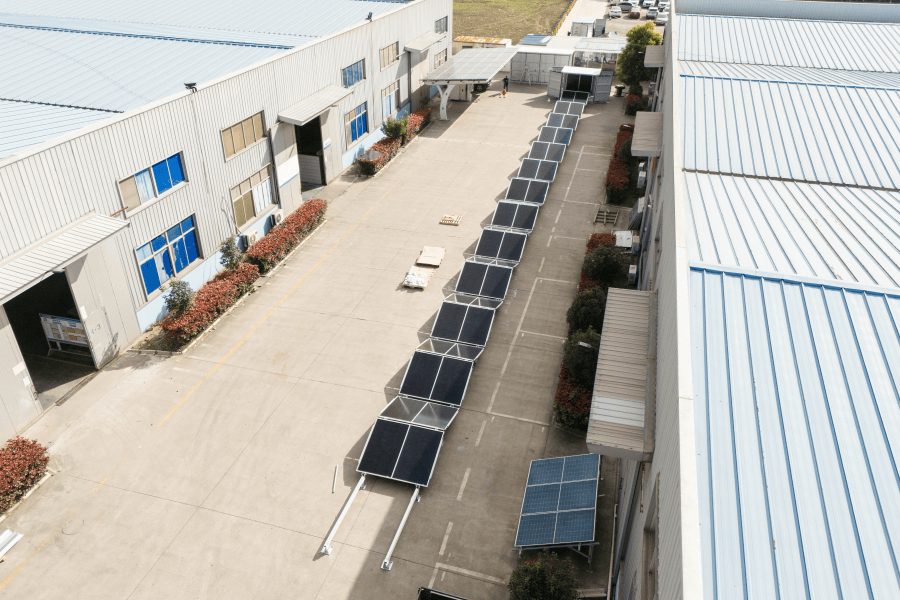
Let's sketch a hypothetical but very real project: A mid-sized mining operation in Mauritania wants to reduce diesel consumption by 40% and ensure zero process interruptions. Their existing power plant is 10 MW of diesel gen-sets. The solution is a 4 MW solar PV farm, coupled with a 6 MW / 12 MWh grid-forming BESS (2-hour duration).
The BESS does two crucial jobs: it soaks up the midday solar peak, and its grid-forming inverters provide instantaneous power and stability to allow gen-sets to run at their most efficient, steady load or even shut down some units entirely. The Levelized Cost of Energy (LCOE) for this hybrid system, over a 15-year lifespan, becomes the key metric, not just the upfront capital. When you factor in avoided fuel costs (often $0.30-$0.40/kWh for diesel-generated power), reduced maintenance on gen-sets, and the value of uninterrupted production, the payback period can drop to 5-7 years. The capital outlay is significant, but the total cost of ownership is transformed.
Expert Insight: The Hidden Levers of LCOE and Reliability
Here's the insight from the field: the cheapest battery system can be the most expensive asset you ever buy. Let me explain. Two systems might have the same upfront "cost per kWh." But if System A uses low-quality cells with poor thermal management, its capacity might degrade 20% faster in the Mauritanian heat than System B. That means you're losing stored energy - and diesel savings - year after year. Your effective LCOE skyrockets.
Furthermore, true grid-forming capability isn't a checkbox. It's about how the system handles a transient - when a large crusher motor kicks on, or a gen-set trips. I've witnessed systems that claim to be grid-forming but cause voltage dips that trip sensitive equipment. The system from Highjoule that we often deploy, for instance, uses a multi-layered control architecture that we've stress-tested in scenarios mimicking the harshest mining loads. This engineering depth, ensuring compliance with IEEE 1547 for islanding and grid support, is what you're really investing in: predictable, resilient power that lets you focus on mining, not managing power plant crises.
Making It Happen: A Pragmatic Path Forward
So, how do you move from a ballpark cost to a firm, actionable proposal? It starts with a detailed feasibility study that models your specific load profiles, solar resource, and fuel logistics. At Highjoule, we treat this phase as the most critical. We've done this for operations from Nevada to Namibia, and the process is always collaborative. We need to understand the rhythm of your mine - the 24/7 base loads, the intermittent high-power demands of processing plants.
The goal is to design a system where every component, from the inverter's switching frequency to the container's corrosion-resistant coating, is selected for that specific site in Mauritania. The "cost" then becomes a transparent investment linked to guaranteed performance metrics: fuel savings, system availability (we target 99%+), and battery longevity. This approach, backed by local service partnerships for maintenance, turns a complex capital project into a managed energy service with predictable economics.
Ready to model what your hybrid system could look like, and what it should truly cost? Let's dig into your site data and build a picture that makes sense for your boardroom and your site managers.
Tags: BESS Solar-Diesel Hybrid Mining Operations Mauritania Grid-Forming Inverter
Author
James Zhang
20+ years agricultural energy storage engineer / Highjoule CTO