
Liquid-Cooled Mobile Power Container Cost: A Guide for Rural Electrification
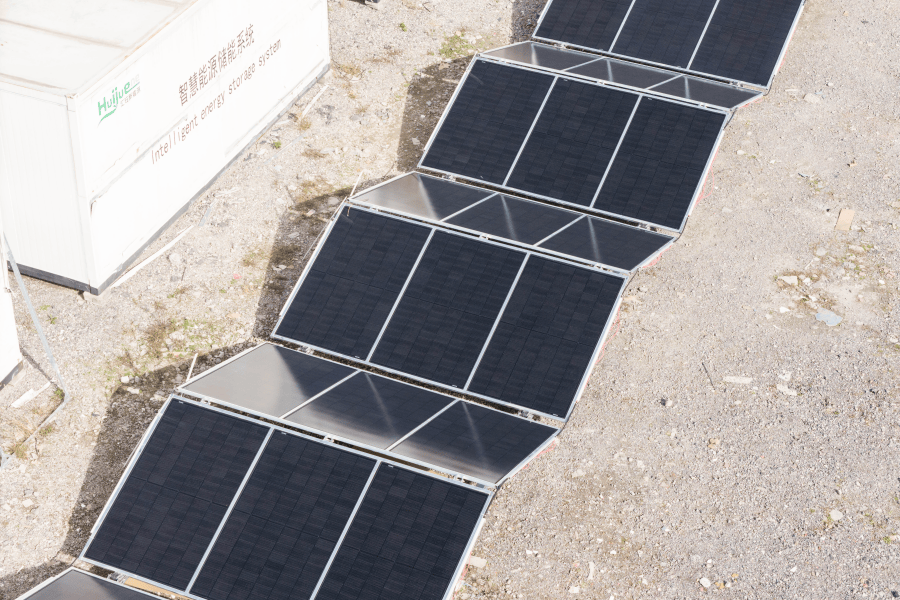
Table of Contents
- The Real Question: Not Just Price, But Total Cost of Power
- Why "Simple" Solutions Can Get Expensive in Remote Areas
- Liquid-Cooled Mobile Containers: The Value Equation for Off-Grid Power
- Learning from the Field: A Microgrid Case Study
- Key Cost Drivers: What to Look For in a Mobile BESS
The Real Question: Not Just Price, But Total Cost of Power
Let's be honest, when a project manager or a utility planner asks "How much does it cost?", they're rarely asking for just a single number on an invoice. I've seen this firsthand on site, from the Philippines to Puerto Rico. What they're really asking is: "What's the total lifetime cost of delivering reliable, safe power to this remote community or industrial site?" And that's a much smarter question. In the context of rural electrification, especially in challenging environments, the upfront capital expenditure (CapEx) for a battery energy storage system (BESS) is just one piece - and often not the most important one - of a very complex puzzle.
Why "Simple" Solutions Can Get Expensive in Remote Areas
For years, the go-to for remote power has been diesel gensets. The initial price tag seems manageable, right? But the operational costs are a killer. Fuel logistics, constant maintenance, and emissions penalties add up fast. According to the International Energy Agency (IEA), fuel and maintenance can constitute over 70% of the total cost of ownership for a diesel generator over 10 years in a remote setting. That's before you even factor in the volatility of fuel prices.
Then came air-cooled containerized BESS. A step forward, for sure. But here's the rub: in hot, humid climates - common in many rural electrification projects - air cooling struggles. I've opened up containers where fans were running at full tilt, fighting a losing battle against ambient temperatures of 40C+. This thermal stress directly impacts two critical things: safety and battery lifespan. Reduced lifespan means you're replacing expensive battery modules sooner, blowing your long-term budget. And safety? Well, thermal runaway is a risk no responsible developer can ignore, especially when you're miles from the nearest fire station.
Liquid-Cooled Mobile Containers: The Value Equation for Off-Grid Power
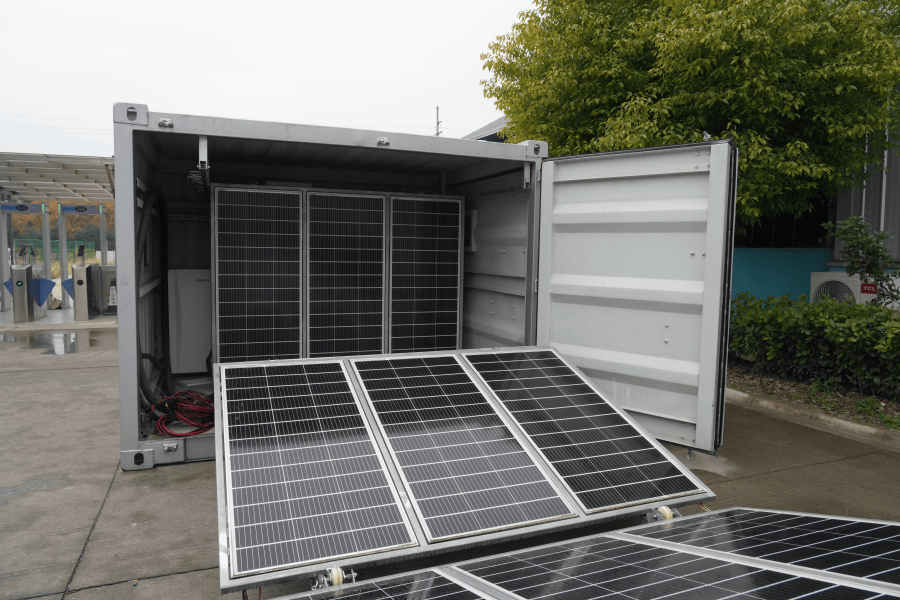
This is where the conversation shifts from simple "price" to intelligent "cost." A liquid-cooled mobile power container isn't just a product; it's a system engineered for total cost of ownership (TCO) optimization in tough environments. The core idea is precision. Instead of cooling the entire container air, a liquid system directly manages the temperature at the cell or module level. This brings immense value to rural electrification projects, particularly for developers and EPCs operating under strict US or European standards like UL 9540 and IEC 62933.
Think about it. Superior thermal management means you can safely push for higher C-rates (the charge/discharge speed) without degrading the batteries. In a microgrid, that translates to faster response to load changes and better integration of intermittent solar or wind. It also means the system's footprint can be more compact for the same power and energy rating - a huge plus when shipping and site preparation are major cost items.
At Highjoule, when we design our mobile containers for such applications, we bake in these TCO principles from the start. It's not an afterthought. The liquid cooling loop is integrated with advanced battery management systems (BMS) that are UL-certified, ensuring not just performance but paramount safety. This design philosophy directly targets the Levelized Cost of Energy (LCOE) - the gold standard for comparing energy projects. By extending cycle life and ensuring higher round-trip efficiency day after day, year after year, the LCOE comes down, making the project more bankable and sustainable.
Learning from the Field: A Microgrid Case Study
Let me give you a tangible example, though from a different geography with similar challenges. We recently deployed a mobile, liquid-cooled BESS for a mining microgrid in Northern Canada. The challenges were classic "rural electrification": extreme temperature swings (-30C to +25C), no connection to the main grid, and heavy reliance on diesel.
The client's initial focus was, of course, the capital cost. But we worked through the numbers together: the liquid-cooled system's higher upfront cost was offset by a guaranteed longer warranty on the battery degradation (thanks to stable temperatures), a 15% reduction in diesel fuel consumption due to more efficient solar capture and dispatch, and drastically lower maintenance visits. The remote monitoring, compliant with IEEE 2030.3 standards, meant fewer expensive helicopter trips for technicians. The project's financial model looked completely different when we evaluated the 10-year TCO instead of the 1-year CapEx.
The principles are directly transferable. Whether it's an island community in the Philippines or a remote research station, the value drivers are the same: reliability, longevity, and safety, all quantified through LCOE.
Key Cost Drivers: What to Look For in a Mobile BESS
So, when you're evaluating options, don't just get a quote for the box. Dig into what determines the long-term cost. Here's my take, from two decades of putting these systems on the ground:
- Thermal Management is Non-Negotiable: For any project with high ambient temperatures or demanding charge/discharge profiles, liquid cooling isn't a luxury; it's an economic necessity for asset longevity. Ask for the projected cycle life at your specific operating temperature.
- Standards are Your Safety Net: Ensure every major component - from the battery cells to the power conversion system (PCS) - carries relevant UL or IEC certification. This isn't just paperwork. It's a proxy for engineering rigor that prevents costly failures and liabilities down the line.
- Total System Integration Matters: The lowest-cost BESS from a catalog might not play nicely with your chosen solar inverters or genset controllers. Look for a provider with deep integration experience. At Highjoule, our containers come with pre-configured, tested control strategies for hybrid microgrids, saving months of on-site software headaches.
- Service & Support is Part of the Cost: What's the warranty? What does remote monitoring include? Can you get local service? A system that's 10% cheaper but has no local technical support can become the most expensive asset you own when it goes down.
Honestly, the most successful projects I've been part of are where the client and we, as the technology partner, sat down early and modeled the entire lifecycle. The "cost" question then has a meaningful answer: it's the LCOE that makes your rural electrification project not just technically feasible, but financially sustainable for decades.
What's the single biggest operational risk your remote power project is facing? Is it temperature, fuel cost, or maintenance complexity?
Tags: UL Standard BESS LCOE Liquid Cooling Rural Electrification Mobile Power Container IEEE Standard
Author
James Zhang
20+ years agricultural energy storage engineer / Highjoule CTO