
Optimize Smart BMS Monitored PV Container for Mining in Mauritania
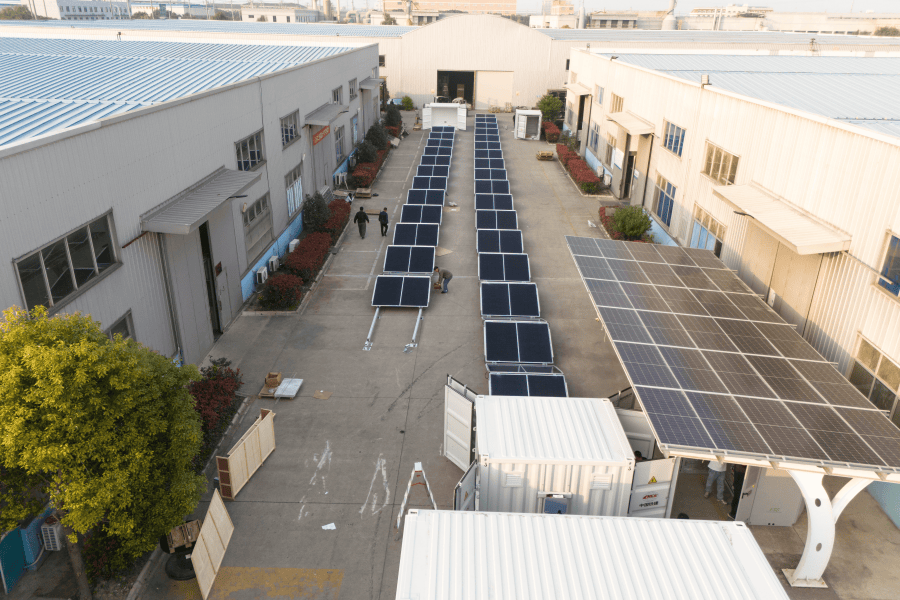
Table of Contents
- The Energy Headache in Remote Mining
- Why Standard BESS Falls Short in the Desert
- The Optimized PV Container Solution
- Real-World Proof: Germany's Industrial Test
- Key Tech Explained (Without the Jargon)
- Mauritania-Specific Optimization Tactics
- Ready to Power Your Mine Smarter?
The Energy Headache in Remote Mining
Honestly, sitting here thinking about mining ops in places like Mauritania takes me right back to site visits C the dust, the heat, and the constant hum of diesel generators guzzling fuel. You know the pain points better than anyone: sky-high fuel transport costs eating into profits, grid connections that are non-existent or painfully unreliable, and the pressure to cut carbon footprints while keeping operations running 24/7. I've seen firsthand how a generator hiccup can halt a whole processing line. The International Energy Agency (IEA) highlights that off-grid mining energy costs can be up to 3x higher than grid-connected sites. That's not just an expense; it's a massive drag on competitiveness.
Why Standard BESS Falls Short in the Desert
So, you look at solar + storage, right? Smart move. But here's the rub I've seen trip folks up: throwing standard containerized PV + battery systems into the Mauritanian desert is asking for trouble. That 45C+ heat? It's a lithium-ion battery's nightmare. Without serious thermal management, degradation accelerates C you lose capacity faster, maybe even face safety risks. Sand and dust? They clog cooling vents and degrade components. Then there's the complexity. Piecing together PV panels, separate battery units, inverters, controls... it creates integration headaches, commissioning delays, and more points of potential failure. Maintenance becomes a logistical beast in remote locations. And let's not forget standards C using gear not built to withstand extreme conditions or certified to rigorous UL 9540/IEC 62933 standards is a gamble with safety and insurance. One site manager in Nevada told me his "off-the-shelf" system's downtime cost him over $500k in lost production before he ripped it out. Ouch.
The Optimized PV Container Solution: Built for the Brutal
This is where the pre-integrated, Smart BMS-monitored PV container concept shines, especially when it's purpose-optimized. Think of it like a self-contained power plant in a box, but hardened. The magic isn't just putting things together; it's how they're integrated and managed. The core is an advanced Smart BMS that goes way beyond basic voltage monitoring. We're talking real-time tracking of individual cell voltages, temperatures (critical!), state-of-charge (SOC), state-of-health (SOH), and internal resistance. This level of insight is crucial for preventing thermal runaway and maximizing lifespan in harsh heat. Honestly, it's like having a dedicated doctor inside every battery pack.
Optimization starts with thermal management designed for extremes. Forget basic fans. We're using liquid cooling loops with climate-controlled enclosures, ensuring cells operate within their sweet spot (usually 20-30C) even when it's 50C outside. This isn't luxury; it's essential for preserving capacity and preventing catastrophic failure. Sealing is paramount C IP65 minimum, with sand-rated filters on cooling intakes. Then, there's LCOE optimization. The Smart BMS enables precise control over charge/discharge cycles (C-rates), avoiding stress that shortens battery life. It integrates seamlessly with the PV inverters and mine management systems, allowing for intelligent, weather-forecast-driven energy use C prioritizing solar, using batteries to shave peak diesel gen usage, ensuring critical loads always have power. Highjoule's containers are built with UL/IEC certified components from the ground up, simplifying permitting and giving peace of mind on safety. Our local teams handle deployment and offer remote monitoring + proactive maintenance plans C because being stuck waiting for a specialist to fly in isn't an option.
Real-World Proof: Pushing Limits in North Rhine-Westphalia
Don't just take my word for it. Let's talk about a heavy industrial site we worked with in Germany's North Rhine-Westphalia region C similar challenges with grid constraints and needing backup for critical processes. They needed a resilient system to handle load spikes and provide backup during grid instability. The challenge was space constraints and variable industrial loads causing uneven battery stress. We deployed a pre-integrated 1.5MWh PV container solution with our advanced multi-layer Smart BMS and liquid thermal management. The BMS actively balanced loads across battery strings, preventing any single unit from being overstressed during high C-rate discharges. The thermal system maintained optimal temps despite fluctuating internal heat from the equipment. Over 18 months, the system achieved a 12% better-than-projected capacity retention and reduced their peak grid draw by 35%, translating to significant cost savings. The mine manager specifically highlighted the remote diagnostics C our team flagged a slight anomaly in a cooling pump performance remotely, and a local technician replaced it before it failed. That's the kind of proactive reliability you need in Mauritania.
Key Tech Explained (For the Non-Engineer)
Let's demystify some terms you'll hear:
- C-rate (Charge/Discharge Rate): Think of it as the "speed" of charging or draining the battery. A 1C rate means emptying a full battery in 1 hour; 0.5C takes 2 hours. High C-rates (fast charging/discharging) generate heat and stress the battery. The Smart BMS optimizes this, using slower rates when possible to extend life, only using high rates when truly needed (like starting a big crusher).
- Thermal Management: This isn't just cooling. It's maintaining a consistent, optimal internal temperature for the batteries using liquid cooling/heating. Like keeping the battery in its perfect comfort zone despite the desert oven outside. Prevents premature aging and keeps safety systems effective.
- LCOE (Levelized Cost of Energy): The total lifetime cost of your energy system (installation, fuel, maintenance, replacement) divided by the total energy it produces. Lower LCOE = cheaper power long-term. Optimizing the BESS with the Smart BMS and thermal control directly slashes LCOE by making the batteries last longer and perform better.
The integration is key. The Smart BMS is the brain, constantly talking to the PV inverters ("Got lots of sun, let's charge!"), the diesel genset controller ("Batteries are full, ease off"), and the mine SCADA system. This coordination minimizes fuel burn and maximizes solar use.
Tuning for Mauritania: Sand, Heat & Reliability
Optimizing for Mauritania means going beyond the standard hardened container. Here's what we focus on:
- Extreme Heat & UV Protection: Specialized, reflective exterior coatings, advanced liquid cooling capacity with redundancy, and UV-stable cabling/components. Battery chemistry selection favoring higher temperature tolerance.
- Desert-Proofing: Enhanced air filtration (sand-rated), positive pressure systems to keep dust out, corrosion-resistant materials for coastal areas, and easily accessible, sealed maintenance points.
- Remote Resilience: Redundant communications (satellite + cellular), advanced remote diagnostics with predictive failure alerts, on-site spares kits for common items, and training for local technicians on basic upkeep. Clear protocols with our 24/7 monitoring center.
- Fuel Savings Focus: Configuring the control logic to maximize solar self-consumption and aggressively minimize generator runtime, especially during high-fuel-cost periods. The NREL has great resources on hybrid plant optimization for harsh environments.
Ready to Ditch the Diesel Dilemma?
Getting your mining operation in Mauritania off the diesel rollercoater and onto reliable, cost-effective solar + storage isn't just possible; it's a smart strategic move. But the devil's in the details C the right integration, the right hardening, and especially the right brain (that Smart BMS) managing it all. What's the biggest energy challenge keeping you up at night on your site? Is it the fuel costs, the maintenance headaches, or the reliability fears? Let's talk specifics C drop me a line or share your thoughts below. What's one question you have about making this work in the Mauritanian context?
Tags: LCOE Optimization BESS UL Standards Thermal Management PV Container Smart BMS Mining Energy Mauritania
Author
James Zhang
20+ years agricultural energy storage engineer / Highjoule CTO