
IP54 Outdoor Hybrid Solar-Diesel Systems: A Real-World Case Study for Telecom Resilience
Beyond the Grid: How Hybrid Power is Keeping Telecoms Alive (And Profitable)
Honestly, if you've been in the energy game as long as I have, you've seen it all. You get called to a remote site, the diesel generator is coughing black smoke, fuel costs are bleeding the budget dry, and the operations manager is having a very, very bad day. This is especially true for telecom base stations C those silent sentinels that keep our world connected. For years, the default answer for off-grid or unreliable-grid sites was a simple, often noisy, and always thirsty diesel genset. But the game has changed. Let's talk about a smarter, tougher solution we're deploying right now: the IP54-rated outdoor hybrid solar-diesel system.
Quick Navigation
- The Silent Cost of "Set and Forget" Power
- Why "IP54" Isn't Just a Number on a Datasheet
- A Case in Point: The Mountainous Terrain Challenge
- The Tech Behind the Tough Exterior: More Than Just a Box
- The Bottom Line: It's About Total Cost of Ownership
The Silent Cost of "Set and Forget" Power
The problem isn't just keeping the lights on. It's the staggering operational expense and environmental footprint of doing so with diesel alone. I've seen this firsthand on site. A generator running at low load is incredibly inefficient, leading to "wet stacking" and frequent maintenance. Fuel delivery to remote locations is a logistics nightmare and a major cost driver. According to the International Energy Agency (IEA), diesel generation can cost over $0.30 per kWh in hard-to-reach areas, and that's before you factor in the carbon penalties looming in many regions.
For telecom operators, downtime is not an option. A site going dark means lost revenue and, more critically, broken service-level agreements (SLAs). The traditional approach creates a vicious cycle: high fuel costs eat into margins, forcing deferred maintenance, which then increases the risk of unplanned outages.
Why "IP54" Isn't Just a Number on a Datasheet
This is where the "outdoor" and "IP54" part of our case study becomes critical. An IP54 rating means the enclosure is protected against dust ingress (not total, but sufficient to prevent harmful deposits) and water splashing from any direction. In the real world, that means it can handle a driving rainstorm, blowing snow, or coastal salt spray without missing a beat.
Many early hybrid systems tried to retrofit indoor-rated equipment into a shed. I've opened those sheds. Condensation, corrosion, insect nests C you name it. A purpose-built, UL and IEC-compliant IP54 outdoor system eliminates the need for expensive shelter construction. It's a self-contained power plant that ships on a skid, gets placed on a simple concrete pad, and is ready for connection. This drastically reduces civil works and deployment time. At Highjoule, our outdoor enclosures are tested beyond the standard spec because we know a site in Arizona faces different demons than one in Norway.
A Case in Point: The Mountainous Terrain Challenge
Let me give you a concrete example from a project we completed last year in the Pacific Northwest of the US. A telecom provider needed to upgrade a critical but extremely remote base station on a forested ridge. Grid power was unreliable, and the access road was often impassable in winter, making fuel resupply a gamble.
The Challenge: Ensure 99.99% uptime, slash fuel consumption by at least 60%, and do it with a solution that could withstand heavy snowfall, high winds, and temperature swings from -20C to +40C. Maintenance windows were limited to just a few months per year.
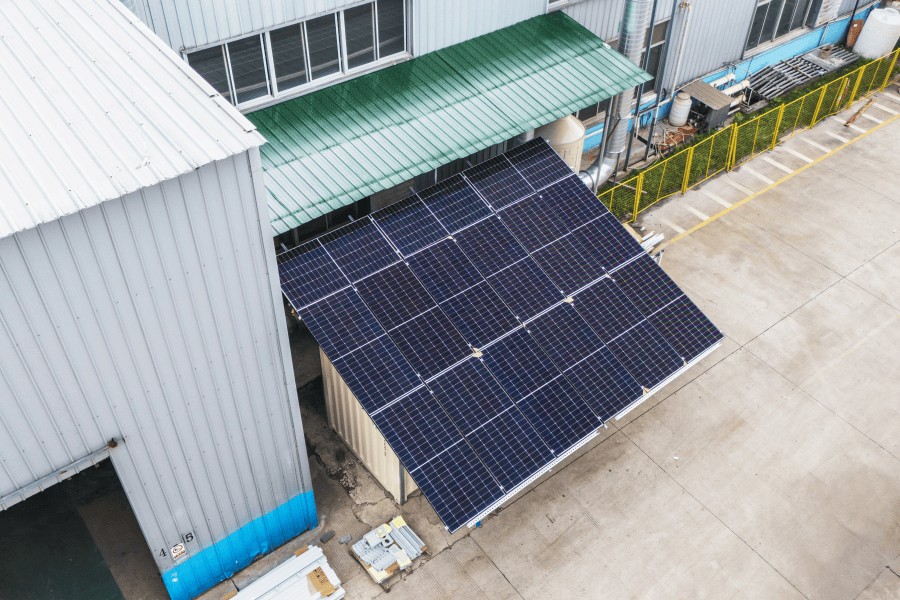
The Highjoule Solution: We deployed a containerized IP54 outdoor hybrid system. The heart was a 120 kWh lithium-ion BESS with integrated battery management, coupled with a 40 kW solar PV array on a ground-mount frame. A high-efficiency, digitally-controlled diesel generator served as the backup.
The system's brain uses predictive logic. It prioritizes solar, uses the battery for overnight load, and only kicks on the generator to recharge the battery during prolonged cloudy periods or when the load exceeds capacity. The magic is in the thermal management system. It's not just a fan; it's a closed-loop liquid cooling system that keeps the battery at its ideal temperature range year-round, maximizing lifespan and performance whether it's a heatwave or a blizzard.
The Outcome: Fuel deliveries dropped from weekly to quarterly. The generator now runs less than 10 hours a week versus nearly 24/7 before. The client is saving over $45,000 annually on fuel and maintenance alone, with a project payback of under 4 years. The site hasn't had a single weather-related outage since commissioning.

The Tech Behind the Tough Exterior: More Than Just a Box
So, what should you look for inside that rugged box? It's the integration that matters.
- C-Rate Intelligence: You'll hear engineers talk about "C-rate" C essentially, how fast you charge or discharge the battery. For telecom, loads are relatively steady. We don't need a super-high C-rate for short bursts, which is often more stressful on the battery. We spec a moderate C-rate that optimizes for long-term cycle life and safety, which directly lowers your Levelized Cost of Energy (LCOE) over the system's 15+ year life.
- Generator Synchronization: The system must seamlessly "talk" to the generator. A good hybrid controller will soft-start the genset, bring it online at an optimal load point (usually 60-80% of its capacity) for maximum efficiency, and shut it down cleanly when the battery is charged. This eliminates the short-cycling that destroys generators.
- Remote Monitoring & O&M: This is non-negotiable. You need a cloud-based portal to see state-of-charge, fuel levels, solar yield, and any fault codes from thousands of miles away. Proactive maintenance alerts are what prevent a minor issue from becoming a site-down crisis. Our platform allows for remote diagnostics and even some firmware updates, which is a game-changer for those hard-to-reach locations.
The Bottom Line: It's About Total Cost of Ownership
When we talk to clients, we don't just talk about the capital cost of the equipment. We talk about the 20-year total cost of ownership. A robust IP54 outdoor hybrid system has a higher upfront cost than a simple generator, but the math becomes undeniably compelling when you factor in:
| Fuel Savings | 60-90% reduction |
| Generator Maintenance | Dramatically reduced runtime = fewer oil changes, filter replacements, overhauls |
| Carbon Credits & Compliance | Meeting ESG goals and avoiding future carbon taxes |
| Uptime & SLA Assurance | Priceless. A single avoided outage can pay for a chunk of the system. |
The technology is proven, the standards (UL, IEC, IEEE) are in place to ensure safety, and the financial case is solid. The question is no longer if hybrid systems are the future for off-grid telecom, but how quickly you can deploy them to start saving money and securing your network.
What's the single biggest operational headache at your most remote site right now? Is it fuel, maintenance, or the fear of the next storm knocking it offline?
Tags: UL Standard BESS Off-grid Power Telecom Infrastructure Hybrid Power Systems Solar-Diesel IP54 Enclosure
Author
James Zhang
20+ years agricultural energy storage engineer / Highjoule CTO