
ROI Analysis of High-voltage DC Solar Container for Construction Site Power
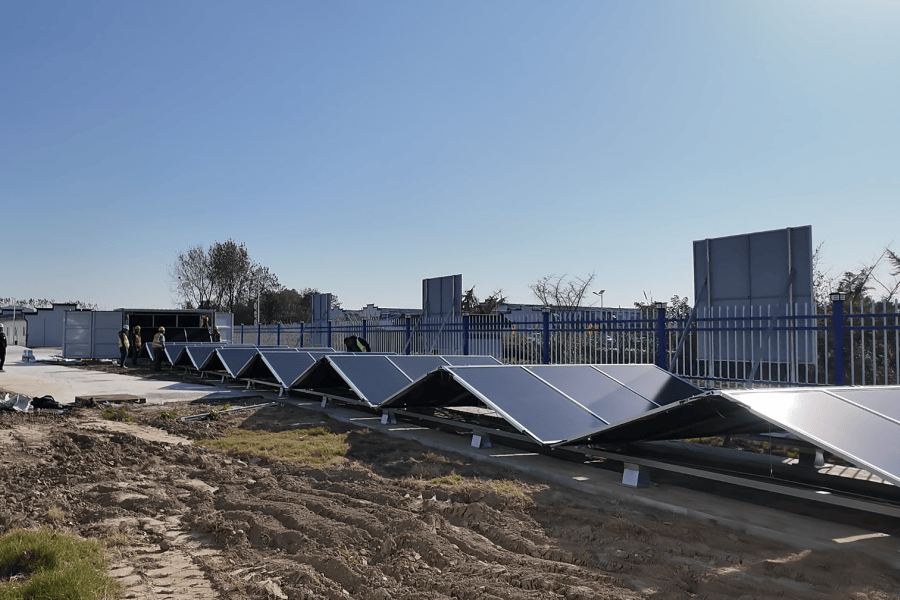
Beyond the Generator: A Real-World ROI Look at Solar Power for Your Job Site
Let's be honest. When you're managing a construction site, power is often an afterthought C a necessary evil you rent, fuel, and hope doesn't fail. For years, the diesel generator has been the unchallenged king. But between the noise, the fumes, the skyrocketing fuel costs, and the sheer operational headache, I think we can all agree: there has to be a better way. I've spent over two decades on sites from California to North Rhine-Westphalia, and I've seen the shift firsthand. The conversation is moving from "Can we use solar?" to "How fast will it pay for itself?"
That's where a solid ROI Analysis of a High-voltage DC Solar Container for Construction Site Power becomes your most crucial tool. It's not just about being green; it's about being smart with your capital. Let's break down the real numbers and on-the-ground realities.
Quick Navigation
- The Real Cost of "Reliable" Diesel Power
- The High-voltage DC Container: More Than Just Panels & Batteries
- Building Your ROI Model: Key Levers to Pull
- Case in Point: A California Logistics Hub
- Expert Insight: Why Thermal Management is Your ROI Secret Weapon
- Making the Move: What to Look For
The Real Cost of "Reliable" Diesel Power
The problem isn't just the price at the pump. It's the total cost of ownership that eats into your project margins. We're talking about:
- Fuel Volatility: According to the U.S. Energy Information Administration (EIA), diesel prices have seen swings of over 50% in recent years. Budgeting becomes a guessing game.
- Silent Budget Killers: Logistics for fuel delivery, maintenance schedules, filter changes, and unexpected repairs. I've seen a single generator failure halt critical concrete pours, costing tens of thousands in labor delays.
- Regulatory & Social Pressure: Especially here in the EU and in states like California, emissions regulations are tightening. Noise ordinances can restrict work hours. Using a cleaner, quieter source isn't just good PR anymore; it's a permit and community relations strategy.
The agitation is real. You're paying for inefficiency, risk, and a system that becomes a liability, not an asset.
The High-voltage DC Container: More Than Just Panels & Batteries
So, what's the solution? Enter the integrated high-voltage DC solar container. This isn't a makeshift setup. Think of it as a pre-engineered, plug-and-play power plant on a skid. The key innovation is the high-voltage DC architecture. By keeping the solar array and battery storage on a high DC bus (often around 800-1500V), we minimize multiple, loss-prone AC/DC conversions that happen in traditional setups.
What does this mean for your ROI? Higher system efficiency. More of the sun's energy directly powers your tools or charges the battery, with less wasted as heat. This directly translates to needing a smaller, less expensive solar array and battery bank to do the same job. It's a fundamental design choice that impacts the bottom line from day one.
At Highjoule, when we design these containers, we build them to the toughest standards - UL 9540 for the energy storage system, IEC 62485 for safety, and with components certified for the harsh, dusty environment of a construction site. This isn't just about compliance; it's about ensuring uptime and protecting your investment.
Building Your ROI Model: Key Levers to Pull
An honest ROI analysis goes beyond a simple solar calculator. Here are the core components you must model:
| Cost Avoidance Driver | Impact on ROI |
|---|---|
| Displaced Diesel Fuel | Your largest, most predictable savings. Model current consumption against projected solar generation. |
| Eliminated Generator Rental/Maintenance | Fixed monthly fees, service contracts, and repair costs vanish. |
| Reduced Grid Demand Charges | If you're supplementing grid power, the BESS can "peak shave," cutting those punitive utility charges. |
| Tax Incentives & Depreciation | In the US, the Investment Tax Credit (ITC) can cover 30-40% of the system cost. Bonus depreciation is also a major factor. |
| Residual Asset Value | Unlike a diesel generator you return, a solar container can be redeployed to your next site or even sold, extending its financial life. |
The Levelized Cost of Energy (LCOE) for this setup - the average cost per kWh over its lifetime - often falls below $0.15/kWh, while diesel genset power can easily exceed $0.30/kWh in many regions today. That gap is your profit margin.
Case in Point: A California Logistics Hub
Let me share a recent project. We deployed a 500kWh Highjoule Solar Container for the site offices, security lighting, and electric vehicle charging for a large logistics park build in the Central Valley. The challenge was clear: grid connection was delayed, and the noise from multiple 24/7 generators was triggering community complaints.

The container was craned into place in a day. It powered 100% of the daytime loads and used the battery to run security lights all night. The result? They eliminated three large diesel generators. Our ROI analysis, factoring in California's high diesel prices and the ITC, showed a payback period of under 4 years. But more immediately, the project manager told me the peace with the neighbors and the ability to claim the clean power usage in their project reporting was "impossible to put a price on." The asset is now being prepped for its next job.
Expert Insight: Why Thermal Management is Your ROI Secret Weapon
Here's a piece of hard-won, on-site wisdom everyone doing an ROI analysis must understand: battery longevity is everything. A battery's life is directly tied to how well you manage its temperature. Poor thermal management leads to rapid degradation, meaning you'll be replacing expensive battery modules years earlier than projected, destroying your ROI.
When we talk about C-rate (how fast you charge or discharge the battery), it's intrinsically linked to heat. A high C-rate for heavy equipment draws creates more heat. Our systems use liquid cooling with precise climate control to keep every battery cell in its ideal temperature range, even in the Arizona sun or a German heatwave. This isn't an extra feature; it's the core technology that ensures the 10+ year lifespan and cycle life we use in the financial model actually happens in the real world. Always ask about the thermal management system - it's the guardian of your return.
Making the Move: What to Look For
If you're considering this path, your due diligence is key. Look for a provider with:
- Proven, Certified Containers: UL/IEC certifications are non-negotiable for insurance and safety.
- Localized Support: Can they provide commissioning and have service technicians within a reasonable timeframe? A container is low-maintenance, but you need support when required.
- Transparent Financial Modeling: They should provide a detailed, assumption-driven ROI analysis, not just a glossy brochure number.
- Design Flexibility: Can the system scale or be configured for different voltage requirements for your specialized equipment?
The shift to solar power for construction isn't a fringe concept anymore. It's a mature, financially-sound decision. The right High-voltage DC Solar Container turns your power system from a cost center into a strategic, profit-protecting asset. What's the one diesel-dependent process on your next site that, if electrified, would give you the biggest operational and financial advantage?
Tags: Construction Site Power UL Standard BESS Solar Container Microgrid ROI Analysis High-voltage DC
Author
James Zhang
20+ years agricultural energy storage engineer / Highjoule CTO