
ROI Analysis of Rapid Deployment Solar Container for Telecom Base Stations
Beyond Backup: The Real ROI of Solar-Powered Containers for Your Telecom Sites
Hey there. Let's be honest for a minute. When we talk about powering remote telecom base stations or adding resilience to urban ones, the conversation often jumps straight to diesel gensets. They're the familiar, if noisy and smelly, safety net. But sitting in site trailers from Texas to Bavaria over the years, I've seen the real costs - not just in fuel bills, but in maintenance runs, carbon penalties, and the sheer operational headache. The game is changing, and it's changing fast. The new question smart operators are asking isn't just "how do I backup?" but "how do I power this site smarter and more profitably?" That's where a solid ROI analysis of rapid deployment solar container solutions comes into sharp focus.
Quick Navigation
- The Real Cost Problem Isn't Just Diesel
- Why Speed-to-Power Matters for Your Bottom Line
- Breaking Down the ROI: More Than Module Prices
- Case in Point: A German Operator's Shift
- The Expert Corner: Thermal Management & LCOE
- Making the Move: What to Look For
The Real Cost Problem Isn't Just Diesel
The pain point for telecom operators, especially in Europe and North America, is converging. You've got grid instability in some regions, rising power costs in almost all, and aggressive sustainability targets. According to the International Energy Agency (IEA), global electricity demand from data centers and telecoms could double by 2026. That's a direct line to your OPEX. Pair that with local regulations, like California's Rule 21 or the EU's evolving grid codes, which require smarter interconnection. Building a traditional solar-plus-storage system from scratch on-site? It's a marathon of civil works, multiple vendor coordination, and permitting hurdles that can stretch for months. The capital isn't the only thing locked up; your time and revenue potential are too.
Why Speed-to-Power Matters for Your Bottom Line
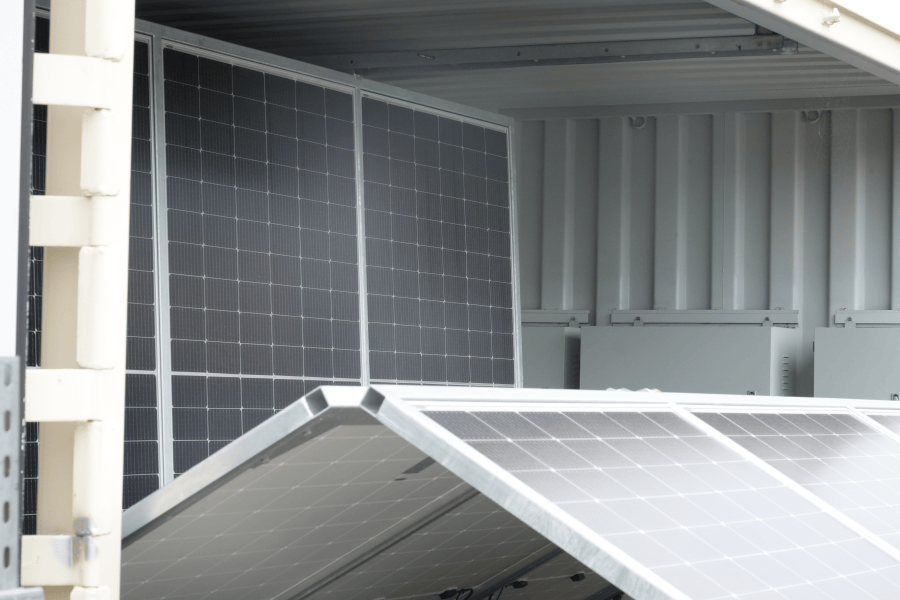
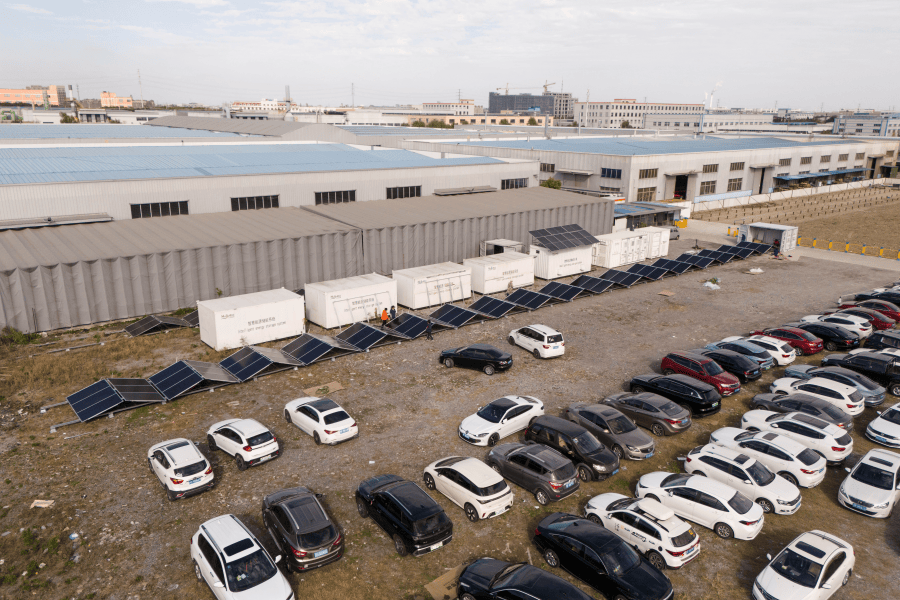
This is where the "rapid deployment" model flips the script. Think of it like this: instead of building a kitchen on-site - pouring concrete, installing plumbing, wiring appliances - you drop in a fully-equipped, tested, and certified culinary trailer. It's plug-and-play. For a telecom base station, a rapid deployment solar container is exactly that. It arrives on a truck with PV panels, battery storage (BESS), power conversion, and climate control all pre-integrated within a secure, containerized enclosure. I've seen these units go from delivery to commissioning in under 72 hours for a critical site expansion. That speed translates directly into revenue. You're not just saving on installation labor; you're generating power (and saving on utility bills) months sooner. In an ROI analysis, that earlier payback start is a huge, often overlooked, factor.

Breaking Down the ROI: More Than Module Prices
So, let's get practical. A proper ROI analysis for these systems looks beyond the sticker price. Here's what we typically model with our clients at Highjoule:
- Hard CAPEX Avoidance: No need for separate concrete pads, custom steel racks, or complex on-site electrical integration. The unit is its own foundation.
- OPEX Crunch: This is the big one. Solar generation slashes your grid energy charge. The battery then tackles the demand charges - those pesky fees based on your peak power draw - which can be 30-50% of a commercial bill. By peak shaving, the system pays for itself.
- Regulatory & Incentive Capture: In the US, think ITC (Investment Tax Credit). In Europe, various grant programs for energy resilience. A pre-certified solution (to UL 9540, IEC 62933 standards) speeds up approval and ensures you qualify.
- Resilience Value: How much does a 4-hour site outage cost you in lost traffic, SLA penalties, and truck rolls? The solar container provides seamless backup, turning a cost center (backup power) into a revenue-protecting asset.
Case in Point: A German Operator's Shift
Let me share a scenario from the field. A regional operator in North Rhine-Westphalia, Germany, had a cluster of sites in an area with a constrained grid. They faced costly grid upgrade fees to support planned 5G equipment. The alternative? A Highjoule rapid deployment solar container solution. We deployed a 120 kW solar / 240 kWh storage unit at the most critical site. The challenge wasn't just power, but space - the site was tight. The containerized format fit perfectly. It now covers over 65% of the site's baseload, and the battery manages peak loads, completely avoiding the grid upgrade. The ROI payback, factoring in the German energy price environment and avoided grid costs, is projected at under 7 years - faster than the grid upgrade would have taken to implement. Honestly, the operator is now looking at this for other sites not as a backup, but as a primary power strategy.
The Expert Corner: Thermal Management & LCOE
If you take one technical insight from this, let it be about thermal management. In a container, managing heat from batteries and electronics is everything. Poor thermal design leads to accelerated battery degradation, which destroys your ROI. We use active liquid cooling for our high-C-rate batteries - C-rate being basically how fast you can charge or discharge the battery safely. This isn't just about safety (though, with UL standards, it's paramount); it's about longevity. A battery that lasts 6,000 cycles versus 3,000 cycles dramatically lowers your Levelized Cost of Energy (LCOE) - the total lifetime cost of the system divided by the energy it produces. It's the ultimate ROI metric. A cheaper system with poor thermal management will have a higher LCOE, making it more expensive in the long run.
Making the Move: What to Look For
If you're considering this path, your vendor checklist should be tough. Look for:
- Full Local Certification: UL 9540 for the overall system in North America, IEC equivalents for Europe. Don't just accept component-level certs.
- Proven Thermal Design: Ask for the specs on operating temperature range and degradation warranty.
- True Grid Interoperability: Can it do advanced functions like frequency regulation or virtual power plant (VPP) participation? That's future revenue.
- Local Service & Warranty: A container is a product, but it needs local support. Who will be there in 5 years for service?
At Highjoule, our whole design philosophy is built around this LCOE and total lifecycle value. We engineer the thermal systems, select the cell chemistry, and write the control software to maximize your ROI, not just to meet a spec sheet. Because after 20+ years on site, I know the difference between a box that holds batteries and a system that generates real, long-term value.
So, the next time you're looking at a grid upgrade quote or a soaring diesel bill, maybe ask for a different kind of analysis. What would the ROI look like if the power solution arrived on a truck, ready to work in days? The numbers might surprise you.
Tags: UL Standard BESS LCOE Solar Container Renewable Energy ROI Analysis Telecom Power
Author
James Zhang
20+ years agricultural energy storage engineer / Highjoule CTO