
Step-by-Step Installation of 20ft High Cube Industrial ESS Container for Agricultural Irrigation
Contents
- The Problem: Why Farm Energy Storage Feels Like a Headache
- The Real Cost of Getting It Wrong
- The Solution: A Containerized, Step-by-Step Approach
- Step 1: It All Starts with the Site, Not the Box
- Step 2: The Delivery & Setting C First Impressions Matter
- Step 3: The Heart of the Matter C Electrical & Control Integration
- Step 4: Commissioning C The Moment of Truth
- The Expert View: What We've Learned on Site
- Your Next Step
The Problem: Why Farm Energy Storage Feels Like a Headache
Honestly, over my twenty-plus years deploying BESS systems from California to Bavaria, I've seen a common theme with agricultural projects. The ambition is clear: harness solar or wind to power irrigation pumps, reduce peak demand charges, and gain energy independence. But the path to getting that industrial-scale battery system in the ground and running? It's often shrouded in uncertainty. You're dealing with remote sites, tight operational windows (try telling a crop it can wait for power), and a maze of local codes and utility requirements. The biggest pain point I hear? "We want the benefits, but the installation process seems like a black box C complex, disruptive, and risky."
The Real Cost of Getting It Wrong
Let's agitate that a bit, because the stakes are real. A poorly planned installation isn't just an inconvenience; it hits your bottom line. Extended downtime during critical irrigation seasons means lost yield. According to the National Renewable Energy Laboratory (NREL), project soft costs C which include installation, permitting, and interconnection C can represent up to 30% of total system costs for commercial-scale storage. Every day of delay adds to that. Worse, a system that isn't integrated correctly can suffer from reduced lifespan (due to poor thermal management), safety hazards, and even voided warranties from the manufacturer. It turns your capital investment into a liability.
The Solution: A Containerized, Step-by-Step Approach
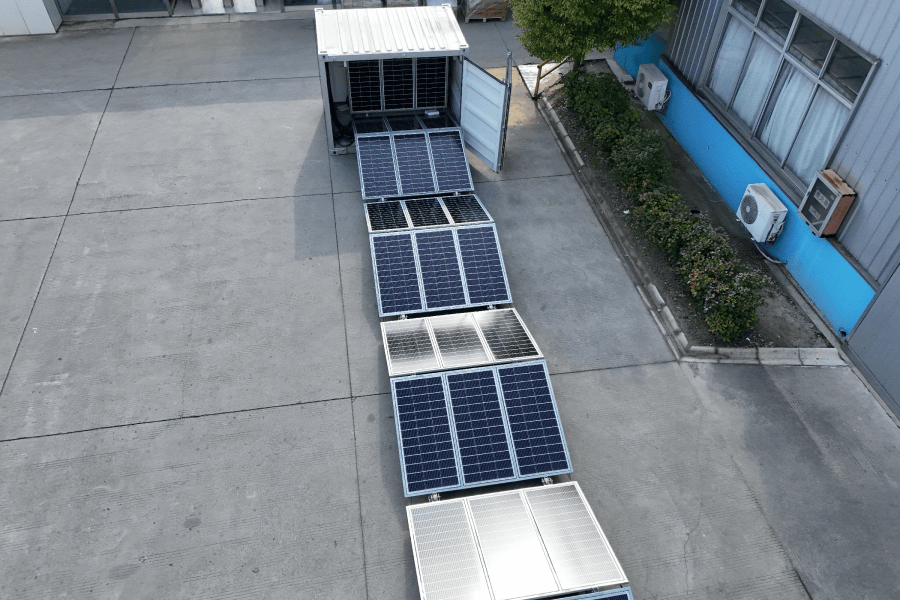
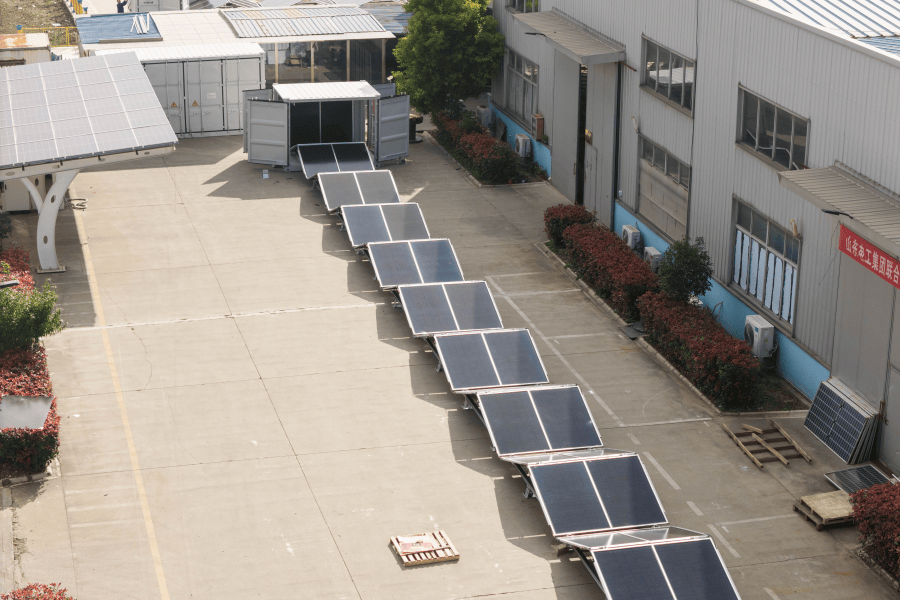
This is where the 20-foot High Cube Industrial ESS Container shines. It's not just a product; it's a pre-engineered, factory-tested methodology. By condensing the core BESS C batteries, thermal management, power conversion, and safety systems C into a single, standardized shipping container, we transform a complex, multi-trade field construction project into a more predictable, sequential installation process. Think of it as moving from building a house brick-by-brick to placing and connecting a fully furnished, weatherproof module. For an agricultural operation, this predictability is gold.

Step 1: It All Starts with the Site, Not the Box
I've seen this firsthand: the most successful projects begin weeks before the container arrives. This phase is about preparation.
- Foundation & Pad: A simple, level concrete pad is usually sufficient. The key is ensuring proper drainage away from the unit and verifying load-bearing specs. We provide the exact point loads.
- Utility Interconnection Point: This is critical. Working with your utility early to understand the requirements of IEEE 1547 for grid interconnection can save months. We need a clear path for the medium-voltage cable from the pad to the utility point of common coupling.
- Permitting: Having UL 9540 and UL 9540A certification for the entire container system streamlines this immensely with local authorities having jurisdiction (AHJs). It demonstrates a tested, safe assembly.
Step 2: The Delivery & Setting C First Impressions Matter
Delivery day. With a pre-assembled container, this is a one-day operation with a heavy-duty crane and a skilled operator. The container is lifted, positioned on the pre-set anchor points, and leveled. We then secure it and connect the grounding system. The physical footprint is minimal, and disruption to your daily farm operations is contained C pun intended.
Step 3: The Heart of the Matter C Electrical & Control Integration
Now for the connections. A well-designed container like ours from Highjoule Technologies has clearly marked, accessible external connection points.
- AC Power Connection: Running the cable from the utility transformer or your main distribution panel to the container's AC disconnect switch.
- Control & Communication Links: This is the nervous system. We connect the container's controller to your irrigation pump control panel, your onsite PV inverter, and often to a remote monitoring platform. This enables the smart logic: using solar power first, then battery, then grid, to minimize cost.
- Environmental Hookups: For the internal thermal management system (crucial for battery life), we might only need a simple power feed if it's an air-cooled system, or fluid lines for liquid cooling.
Step 4: Commissioning C The Moment of Truth
Commissioning is where theory meets practice. We power up subsystems sequentially, run self-tests, and then begin functional tests. For an irrigation project, a key test is simulating a grid outage and verifying the BESS seamlessly picks up the irrigation pump load. We'll verify setpoints for state-of-charge management and ensure all safety interlocks (like the UL-certified fire suppression system) are operational. Finally, we perform a full-capacity charge/discharge cycle to validate performance. Only then do we hand over the keys.
The Expert View: What We've Learned on Site
Let me give you a real example. We deployed a system for a large almond grower in California's Central Valley. Their challenge was brutal peak demand charges and unreliable grid power during heatwaves, precisely when irrigation was vital. The Step-by-step Installation of 20ft High Cube Industrial ESS Container for Agricultural Irrigation process was key. By having a standardized container, we could fast-track permitting. The step-by-step site work allowed their farm crew to plan around it with minimal disruption.
Here's the technical insight that matters: in that hot climate, thermal management was everything. A high C-rate (the speed at which a battery charges/discharges) is great for covering short, high-power pump starts, but it generates heat. Our container's liquid cooling system maintains optimal cell temperature, which directly preserves the battery's lifespan and optimizes the Levelized Cost of Energy Storage (LCOE) C the true measure of your investment's value. Honestly, overlooking thermal design is the single biggest mistake I see in off-the-shelf proposals.
The result? The system now shaves their peak demand by over 300 kW and provides backup power for critical irrigation loads. The step-by-step process turned a potential nightmare into a predictable, successful project.
Your Next Step
The beauty of this approach is its clarity. It demystifies the process. When you're evaluating a BESS for your operation, ask your provider not just for datasheets, but for their project deployment methodology. Do they have a clear, documented sequence for site prep, interconnection, and commissioning? Are their systems pre-certified to UL and IEC standards relevant to your region?
At Highjoule, we've baked this step-by-step philosophy into everything C from our container design with unified safety certifications to our local partner network that understands the nuances of agricultural utility interconnections. The goal is to make your energy storage project feel less like a leap of faith and more like the next logical, manageable step for your business.
What's the single biggest question about the installation process that's holding your project back?
Tags: UL Standard LCOE ESS Container IEEE 1547 Agricultural Energy Storage BESS Installation
Author
James Zhang
20+ years agricultural energy storage engineer / Highjoule CTO