
The Ultimate Guide to All-in-one Integrated Off-grid Solar Generator for Eco-resorts
Contents
- The Real Problem Isn't Just "Going Green"
- When "Savings" Start Costing You
- The All-in-One Answer: More Than Just a Box
- A Tale from the Field: The California Eco-Lodge
- What Makes It Tick? A Quick, Jargon-Free Tech Dive
- Your Next Step: Asking the Right Questions
The Real Problem Isn't Just "Going Green"
Honestly, after two decades on sites from the Alps to Arizona, I can tell you this: the biggest hurdle for an eco-resort owner isn't the desire to be sustainable. It's the sheer, overwhelming complexity of making it work reliably. You're not just buying solar panels and a battery. You're becoming a mini-utility manager overnight. And the traditional, piecemeal approach - sourcing inverters from one vendor, batteries from another, controllers from a third - creates a spiderweb of compatibility headaches, safety gaps, and finger-pointing when (not if) something goes down. I've seen firsthand a beautiful Montana retreat lose a weekend's worth of bookings because their mismatched system had a communication fault no single supplier would take full responsibility for. The problem isn't ambition; it's integration.
When "Savings" Start Costing You
Let's talk numbers, because that's where the pain truly amplifies. The National Renewable Energy Lab (NREL) has shown that soft costs - engineering, permitting, interconnection studies, and the labor to wire it all together - can eat up nearly 50% of a commercial off-grid system's price. Every extra day your crew spends integrating components is a day of lost revenue and added labor cost. Then there's the efficiency loss. When components aren't designed from the ground up to talk to each other, you get sub-optimal performance. Maybe your battery charges slower than it could, or your inverter doesn't perfectly sync with your load demands. That inefficiency directly hits your Levelized Cost of Energy (LCOE) - the true, total cost of the power you produce over the system's life. You might be saving on diesel, but leaking value through poor integration.

The Safety and Standards Quagmire
This is the part that keeps me up at night. The U.S. and European markets have rigorous, non-negotiable standards - UL 9540 for energy storage systems, IEC 62619 for battery safety, IEEE 1547 for grid interconnection. With a fragmented system, proving compliance across the entire assembly becomes a nightmare for you. It's your liability. An all-in-one unit, engineered and tested as a single system by a single provider, comes with that umbrella certification. It's not just a sticker; it's your peace of mind with the local inspector and your insurance company.
The All-in-One Answer: More Than Just a Box
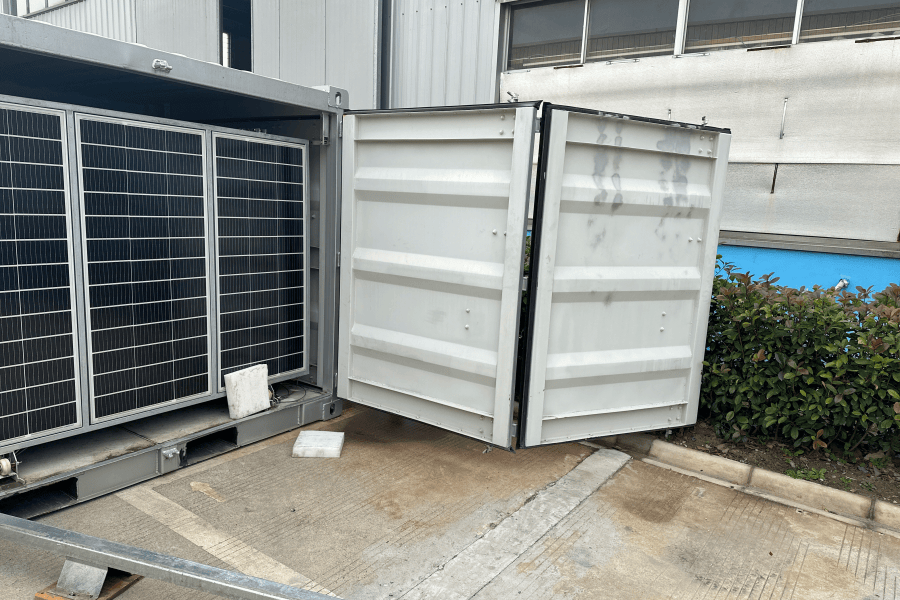
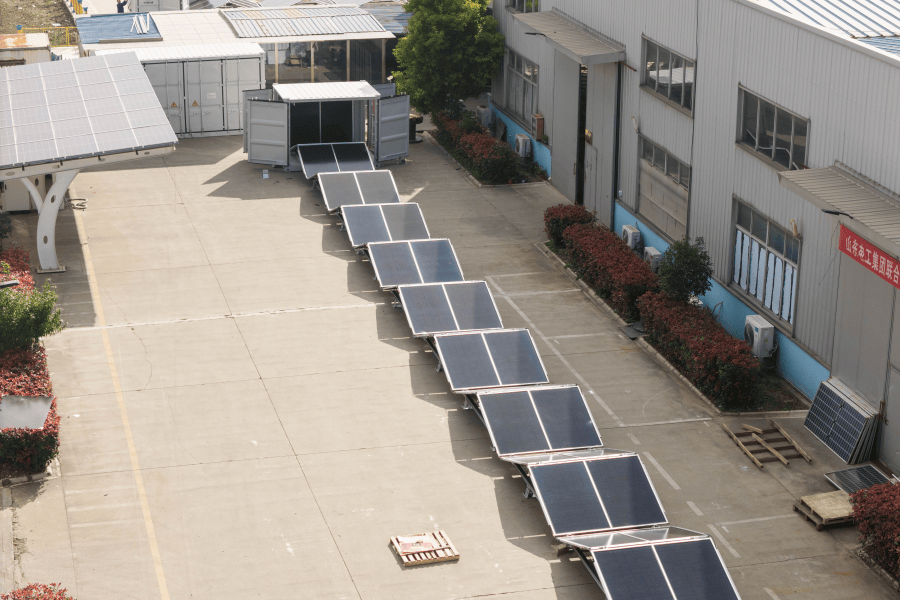
So, what's the solution? It's shifting your mindset from "procuring components" to "procuring a power outcome." The modern all-in-one integrated off-grid solar generator is that outcome in a single, scalable package. Think of it as a self-contained power plant where the PV input, MPPT charge controllers, battery bank, inverter/charger, and system management software are pre-engineered, pre-wired, and pre-tested in a single enclosure. At Highjoule, for instance, we build our EcoPower Series units this way. The value isn't in the steel container; it's in the thousands of engineering hours that went into making sure every millisecond of energy flow is optimized and safe before it ever reaches your site.
A Tale from the Field: The California Eco-Lodge
Let me give you a real example. A high-end eco-lodge in the Sierra Nevada mountains was expanding. Their old system, a patchwork of gear, couldn't handle the new luxury cabins and spa. They faced a 6-month lead time for a custom-designed system and a huge civil works quote to pour a new equipment pad. We proposed a different path: two of our pre-integrated, UL 9540-certified all-in-one units. They were shipped to site, craned into place on simple gravel beds, and were generating power within 48 hours of arrival. The modular design meant they could add a third unit next season with zero disruption. The owner's quote stuck with me: "You sold us a utility, not a pile of hardware." That's the goal.
What Makes It Tick? A Quick, Jargon-Free Tech Dive
You don't need to be an engineer, but understanding a few key points will make you a smarter buyer:
- Thermal Management: This is the unsung hero. Batteries degrade fast if they're too hot or too cold. A top-tier all-in-one system has a dedicated, smart climate control system inside, not just a simple fan. It keeps the batteries in their "Goldilocks zone" year-round, dramatically extending their life. That's a direct LCOE win.
- C-rate in Plain English: Think of it as the "thirst" of your equipment. A high C-rate means your battery can charge or discharge energy very quickly - crucial if you have a sudden surge from kitchen appliances or a sauna. An integrated system is calibrated so the battery's C-rate and the inverter's power rating are perfectly matched. No bottlenecks.
- LCOE (Levelized Cost of Energy): This is your ultimate metric. It's the total cost (capex + opex) divided by the total energy produced over the system's life. Integration slashes LCOE by reducing installation cost (soft costs), improving efficiency, and extending lifespan through better management. It makes your renewable power cheaper.
Where Highjoule Fits In (The "How We Do It" Part)
Our approach, born from fixing these very problems on site, is to obsess over the integration itself. We don't just pack third-party parts into a box. We design our own battery management and system control firmware, ensuring every component speaks the same native language. This lets us offer granular performance monitoring and remote diagnostics - meaning our support team can often see and diagnose an issue before you do, and if needed, dispatch local, certified technicians from our partner network. The box is just the delivery mechanism for reliability and service.
Your Next Step: Asking the Right Questions
So, when you're evaluating guides and options for your eco-resort, move beyond spec sheets. Ask the hard, practical questions: "Is this single unit UL 9540 listed or IEC 62619 certified as a complete system?" "What's the projected LCOE for my specific load profile?" "Can you show me a remote monitoring dashboard from a similar installation?" "What is your exact protocol for local service and support?" The right partner, with the right integrated solution, will have clear, confident answers. The ultimate guide isn't just about technology; it's about finding a path to energy independence that's as resilient and graceful as the sustainable experience you offer your guests.
What's the one operational headache your current or planned power system causes that you wish would just... disappear?
Tags: UL Standard BESS LCOE Energy Storage Off-grid Solar Eco-Resort
Author
James Zhang
20+ years agricultural energy storage engineer / Highjoule CTO