
The Ultimate C5-M Anti-Corrosion BESS Guide for Harsh Construction Sites
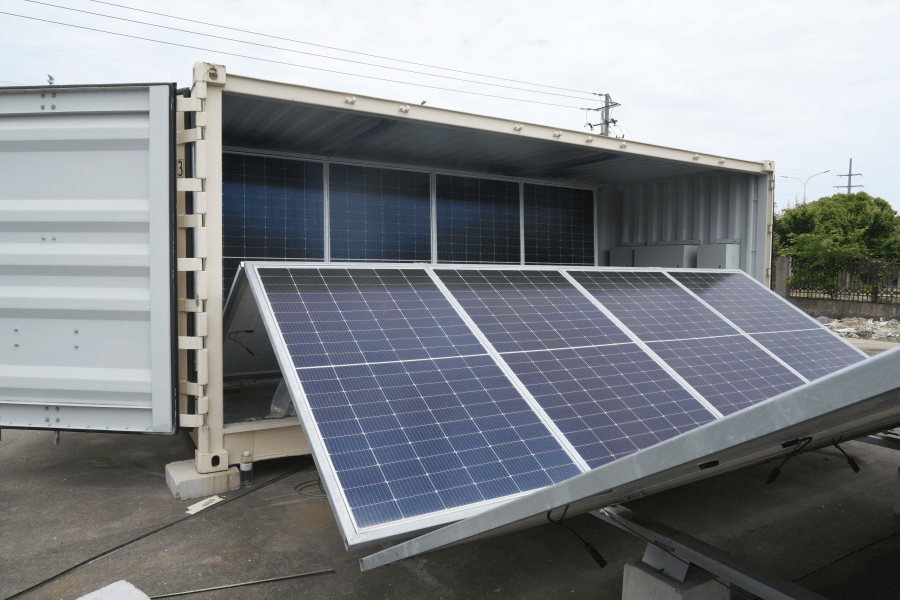
Table of Contents
- The Silent Budget Killer on Your Construction Site
- Why Standard Batteries Can't Handle the Grind
- Your Power Solution Built for the Battlefield
- Real-World Proof: Powering Through the Pacific Coast Fog
- Decoding the Tech: It's Simpler Than You Think
- Ready to Ditch the Diesel & Corrosion Worries?
The Silent Budget Killer on Your Construction Site
Honestly, let's cut to the chase. If you're managing power for remote construction projects in Europe or the US, you know the drill. Diesel generators guzzle fuel, solar alone vanishes when the sun dips, and standard battery systems? They start coughing up corrosion within months when exposed to constant dust, moisture, chemical fumes, and salty air C especially near coastlines. I've seen it firsthand: terminals crusting over, enclosures pitting, leading to unexpected shutdowns, frantic generator rentals, and safety hazards. It's not just an inconvenience; it's a massive hit to your project timeline and bottom line. The constant fear of your power source failing mid-pour? That's a stress no site manager needs.
Why Standard Batteries Can't Handle the Grind
Think about a typical construction environment: abrasive concrete dust getting into everything, morning dew soaking equipment, accidental chemical spills, and if you're anywhere near the coast C that relentless salt spray. Standard industrial enclosures (think IP55 or basic coatings) simply aren't designed for this prolonged, brutal assault. According to NREL studies on BESS performance in harsh environments, corrosion-related failures are a top contributor to unplanned downtime and costly replacements in temporary power applications. The result? You're not just paying for the battery; you're paying for:
- Emergency Generator Fuel: Ramping up diesel use when the BESS fails.
- Costly Downtime: Crews standing idle waiting for power fixes.
- Premature Replacement: Trashing a "rugged" unit after just one project.
- Safety Risks: Corroded connections leading to potential shorts or fires (a nightmare for insurance and compliance, especially under strict UL 9540A and IEC 62933 standards).
Your Power Solution Built for the Battlefield
So, what's the answer? It's not about thicker metal or a generic spray coat. It's about designing a Photovoltaic Storage System from the ground up to meet the most demanding corrosion resistance standard out there: C5-M. This isn't your average industrial spec; C5-M is specifically defined for highly corrosive atmospheres typical of construction zones, coastal areas, or chemical plants. It requires rigorous testing (like 1440 hours of salt spray testing) and meticulous material selection, sealing, and coating processes. Frankly, achieving genuine C5-M certification is tough, and many units claiming "corrosion resistance" fall far short.
At Highjoule, we've poured over 20 years of field experience into our containerized PV Storage Systems. We get it because we've deployed them ourselves in places like the Texas Gulf Coast refineries and wind-swept North Sea installations. Our systems integrate UL 9540A certified LFP battery racks with liquid cooling (critical for managing those hot days under the sun or heavy discharge cycles), housed within structural steel containers treated inside and out with specialized multi-layer coatings proven to withstand the C5-M environment. Every weld, seam, and vent is sealed against corrosive ingress. It's not just a battery box; it's a protective fortress designed to survive the entire project lifecycle and beyond.
Real-World Proof: Powering Through the Pacific Coast Fog
Don't just take my word for it. Remember that high-rise project near San Francisco Bay last year? Brutal combo: constant marine layer bringing salt mist, construction dust, and the need for 24/7 power for cranes and night work. The initial standard storage units they tried were showing significant corrosion on terminals and brackets within 4 months, threatening reliability.
We deployed one of our 3.44MWh C5-M certified containers (like our HJ-G0 series). The difference was stark:
- The Challenge: Salt air, high humidity, 12-month project duration requiring continuous power for critical lifts and safety lighting.
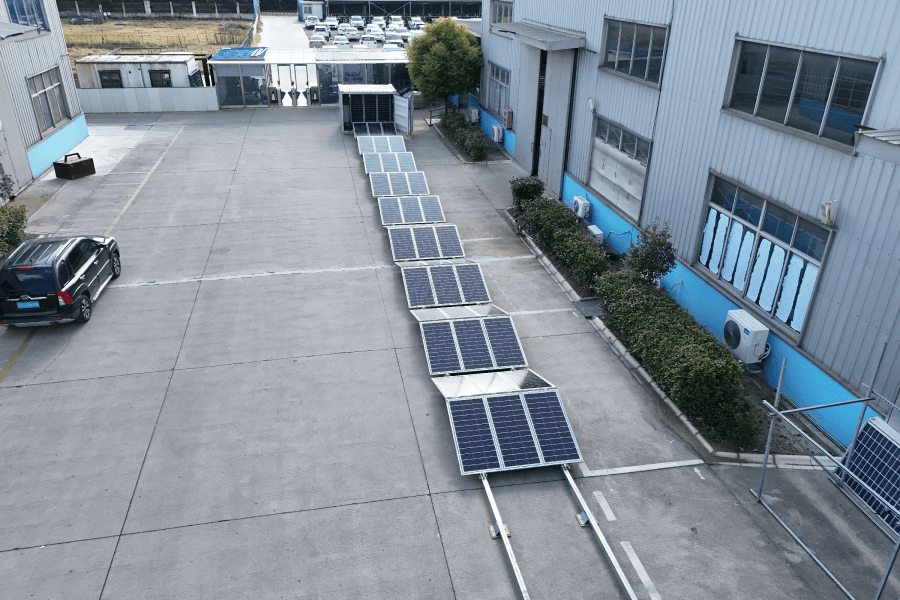
- Deployment: Integrated PV panels on-site (feeding the BESS) coupled with the C5-M container parked right on the site perimeter. Commissioned and connected to site distribution within 48 hours.
- The Result: Zero corrosion-related issues throughout the 14-month project duration (yes, it overran!). Diesel usage plummeted by over 70% compared to their last similar coastal project. The site manager slept easier knowing power wasn't a looming failure point. Honestly, seeing the system come out looking almost as good as it went in after over a year in that salty fog? That's the C5-M difference you can bank on.
Decoding the Tech: It's Simpler Than You Think
Alright, let's break down some jargon in plain terms C stuff that actually matters for your site:
- C5-M Certification: Think of this as the "military spec" for corrosion resistance. It means the system has been tested and proven to withstand extremely harsh environments (like constant salt spray) for years, not months. It covers everything from the steel frame to the smallest bolt. Crucial for coastal or chemical-heavy sites.
- LFP Chemistry (LiFePO4): The battery type we use. Why? It's inherently safer than other lithium types (less fire risk C vital on a busy site!), lasts longer (many more charge/discharge cycles), and handles wider temperature swings better. It's the workhorse chemistry.
- Liquid Cooling (vs. Air Cooling): Imagine your battery has its own quiet, efficient air conditioning system built-in. Liquid cooling precisely controls the temperature of each battery module. This prevents overheating during heavy use (like multiple crane lifts) or hot days, which is critical for both safety and maximizing the battery's lifespan. Air cooling just blows air past the outside; it's cheaper but far less effective, especially in dusty environments where filters clog quickly. Dust + heat = premature failure.
- Thermal Runaway Prevention (UL 9540A): This is the gold standard safety test. It proves that if one cell somehow fails catastrophically, the system's design will contain it, preventing fire from spreading through the entire battery rack or container. Non-negotiable for insurance and peace of mind on a crowded site. You want this certification.
- C-Rate (Simplified): Think of this as the battery's "power delivery speed." A 1C rate means the battery can deliver its full capacity in one hour. A 0.5C rate means it takes two hours. Higher C-rates (like 1C) are great for sudden, high-power demands (think welding or large crane movements). We design our systems for the C-rates construction sites demand.
- Optimizing LCOE (Levelized Cost of Energy): This is just fancy talk for the real cost per kWh over the system's life. Highjoule systems focus on lowering LCOE: The long life (thanks to LFP and C5-M), minimal maintenance (especially vital on remote sites), high efficiency (less energy lost as heat), and big reduction in diesel fuel massively drive down your actual energy cost compared to generator-only or failed temporary systems.
The bottom line? It's not about the fanciest tech buzzwords. It's about combining battle-proven safety (UL/IEC), the right tough chemistry (LFP), intelligent cooling for real-world conditions, and that critical C5-M armor C all designed to deliver reliable, cost-saving power day in and day out without becoming a maintenance nightmare.
Ready to Ditch the Diesel & Corrosion Worries?
Look, I get it. Choosing temporary power feels like another complex headache. But sticking with corroding batteries and noisy, expensive diesel generators is costing you far more than you think. A true C5-M certified PV Storage System isn't an expense; it's an investment in uninterrupted progress, predictable costs, site safety, and frankly, your sanity. It's about having power you can truly rely on, even in the harshest conditions.
What's the real corrosion risk level at your next project site? And what could reliable, clean power actually save you in fuel, downtime, and replacement costs over the next 12-24 months?
Tags: Construction Site Power UL Certified Energy Storage C5-M Anti-corrosion BESS Solar Storage System Off-Grid Power Solutions
Author
James Zhang
20+ years agricultural energy storage engineer / Highjoule CTO