
Rapid Deployment Energy Storage Containers: Powering Construction Sites Efficiently & Safely
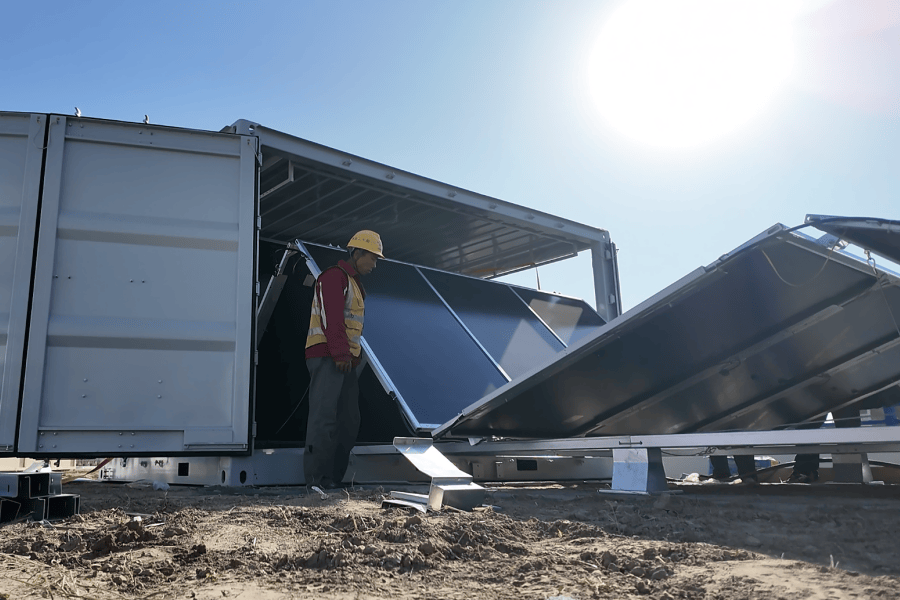
Table of Contents
- The Silent Power Drain on Your Construction Site
- Beyond Inconvenience: The Real Cost & Safety Risks of Old Power Solutions
- Rapid Deployment BESS: Your On-Demand, Clean Power Station
- Real-World Impact: Powering a German Industrial Park Expansion
- Decoding the Tech: C-Rate, Thermal Management & Why LCOE Matters to You
- Choosing Your Rapid BESS Partner: Beyond the Box
The Silent Power Drain on Your Construction Site
Honestly, if I had a dollar for every time I walked onto a construction site in Texas or Bavaria and heard the frustrated groan of equipment shutting down unexpectedly... well, let's just say I'd be writing this from my private island. Power instability on remote sites or grid-constrained locations isn't just annoying C it's a massive, expensive headache crippling timelines. You know the drill: relying on noisy, fume-belching diesel generators that guzzle fuel at today's sky-high prices, or struggling with temporary grid connections that are as reliable as a weather forecast. The NREL highlights that construction sites can experience up to 30% energy losses through inefficient temporary power setups alone . That's money literally evaporating.
Beyond Inconvenience: The Real Cost & Safety Risks of Old Power Solutions
Let's get real about what this "annoyance" actually costs you. It's not just the direct fuel bills C though those hurt. I've seen firsthand how diesel theft adds another 5-15% to your operating costs overnight. Then there's the downtime. Critical concrete pours halted, cranes stalled, safety lighting failing C delays cascade. A major US contractor shared with me a project where just one significant power interruption led to a 3-day delay and nearly $250,000 in penalties and remobilization costs. Ouch.
And safety? Diesel spills are a constant slip hazard. Fumes in confined areas? A genuine health risk for crews, not to mention the noise pollution driving neighbors (and regulators) crazy. Fire risk from generators placed too close to flammables? Seen it, dealt with the aftermath. Traditional solutions aren't just inefficient; they introduce avoidable hazards. The IEC 62485 standard for battery safety exists for good reason, and frankly, most temporary diesel setups wouldn't pass a rigorous audit against it.
Rapid Deployment BESS: Your On-Demand, Clean Power Station
This is where purpose-built Rapid Deployment Energy Storage Containers change the game. Think of them as a clean, silent, plug-and-play power station delivered right to your site pad. No more waiting weeks for complex hookups. At Highjoule, our containers are designed for 24-hour operational readiness. They arrive pre-commissioned, UL 9540 and IEC 62619 certified right out the factory. You crane them down, connect via a standardized interface (like a giant, robust extension cord), and flip the switch. Honestly, I've overseen deployments where sites went from delivery to full power in under 6 hours.
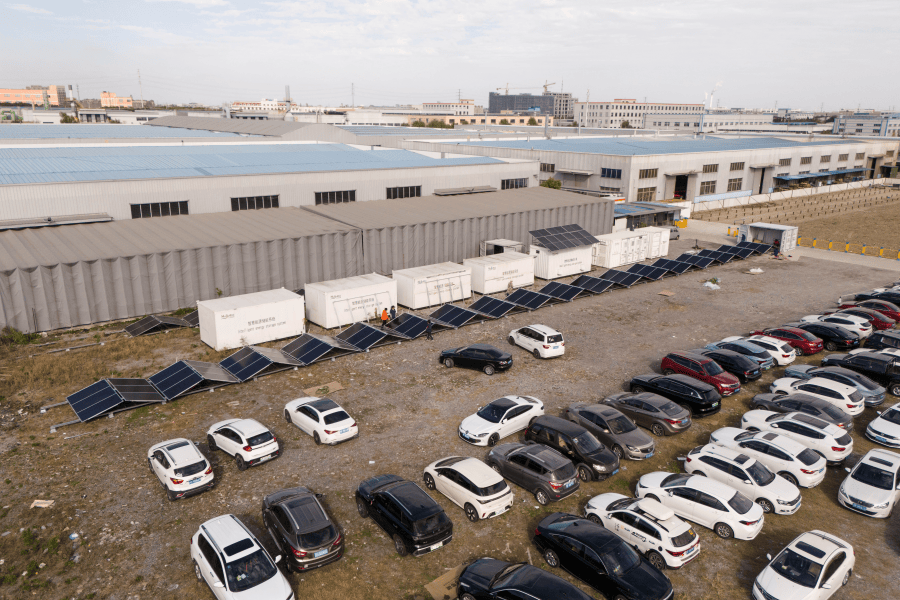
The magic is in the flexibility. Need to shift expensive peak grid power? The BESS charges during low-cost periods and powers your site during high-cost peaks, slashing your energy bills. Dealing with a weak grid connection? The BESS provides instantaneous power to start heavy motors without causing voltage sags that trip breakers. Want to integrate that temporary solar array? The container seamlessly absorbs solar energy, maximizing its use and further reducing diesel dependence. It's about giving you control, resilience, and predictability.
Real-World Impact: Powering a German Industrial Park Expansion
Don't just take my word for it. Remember that massive logistics hub expansion outside Frankfurt last year? Strict noise ordinances ruled out 24/7 diesel generators. The grid connection point was 500m away, requiring expensive cable runs and facing capacity limitations. They needed a quiet, reliable, and fast solution.
We deployed two 1.5 MWh Highjoule containers. They were craned into position on a Monday morning. By lunchtime, they were powering critical site offices and lighting. By Wednesday, they were handling the peak demands of piling rigs and batch plants, charged overnight on cheaper grid power and supplemented by a small onsite PV setup. The result? Zero noise complaints, a 40% reduction in their temporary power costs compared to the quoted diesel+grid solution, and crucially C no single day lost to power issues. The project manager told me it was the smoothest temporary power rollout he'd seen in 20 years. That's the real-world difference.
Decoding the Tech: C-Rate, Thermal Management & Why LCOE Matters to You
Okay, let's geek out for a minute, coffee refill in hand. When evaluating these containers, three technical bits are crucial, even for non-engineers:
- C-Rate (Simplified): Think of this as the "power muscle" of the battery. A higher C-Rate (like 1C or above) means the system can discharge its energy faster. For construction, you need high C-Rate C those big motors starting demand a huge burst of power instantly. A low C-Rate system would stumble.
- Thermal Management (The Unsung Hero): Batteries generate heat, especially working hard. Cheap systems skimp here. Proper liquid cooling (like we use) keeps every cell at its optimal temperature range, whether it's 110F in Arizona or -10F in Norway. This isn't just about performance; it's critical for long life and safety. I've seen air-cooled units throttle power output on hot days C exactly when you need it most.
- LCOE (Levelized Cost of Energy): This is your true cost of power over the system's life, factoring in purchase, installation, fuel (or charging), maintenance, and lifespan. While diesel has a lower upfront cost, its volatile fuel prices and high maintenance make its LCOE soar. A well-designed BESS, especially one used across multiple projects, delivers a significantly lower, predictable LCOE. That's smart budgeting.
Choosing Your Rapid BESS Partner: Beyond the Box
Not all containers are created equal. The hardware is vital, but the support makes or breaks it. You need a partner who understands the chaos of a construction schedule. At Highjoule, our focus isn't just on building robust, UL-certified containers with top-tier thermal management and high C-Rate cells. It's about ensuring they work for you:
- Localized Expertise: Our teams in the EU and US know local codes (UL, IEC, IEEE) inside out. Permitting support? We've got templates and experience.
- True Rapid Deployment: Our logistics are fine-tuned. Need a unit in Stuttgart next week? Consider it done.
- Proactive O&M: Remote monitoring means we often spot potential issues before you do. Local service crews handle the rest, minimizing your hassle.
- Project Flexibility: Need to scale up power mid-project? We can often integrate additional units seamlessly.
So, what's the bottom line? Rapid Deployment BESS containers are no longer a futuristic concept; they're a practical, cost-effective, and safer power solution for today's demanding construction sites. They cut fuel costs, eliminate noise and fumes, prevent costly delays, and give you reliable power exactly where and when you need it. Ready to ditch the diesel headache for good? Maybe it's time we talked specifics about your next project's power plan.
Tags: UL Standard BESS LCOE Construction Power Renewable Energy Rapid Deployment Energy Storage US Europe Market
Author
James Zhang
20+ years agricultural energy storage engineer / Highjoule CTO