
Scalable Modular 1MWh Solar Storage for EV Charging: Benefits & Drawbacks
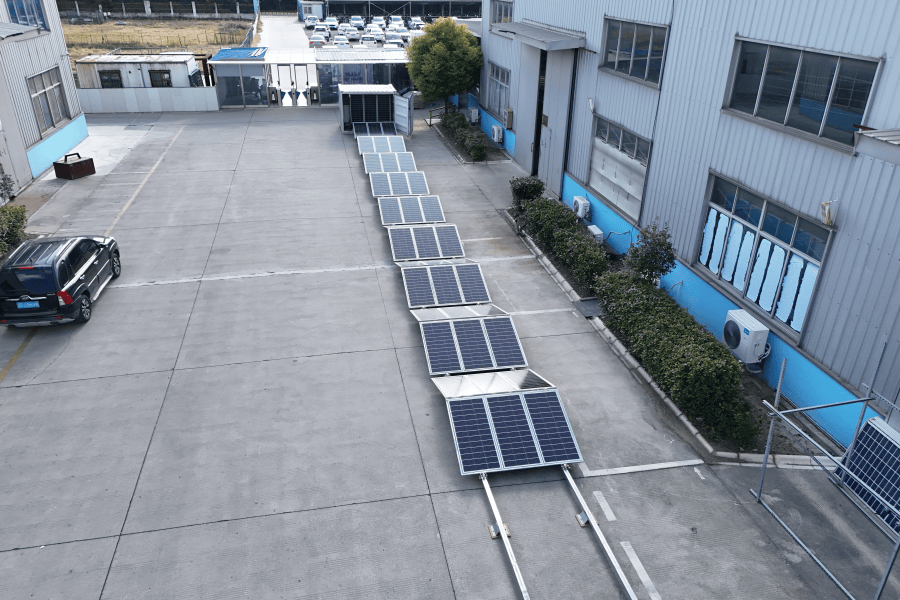
Table of Contents
- The Grid Strain Problem: More EVs, More Headaches
- Why the Scalable, Modular 1MWh Unit is Becoming the Go-To
- The Benefits Breakdown: It's Not Just About Backup Power
- The Real-World Drawbacks (Let's Be Honest)
- A Case in Point: Seeing it Work in Texas
- Making the Right Call for Your Site
The Grid Strain Problem: More EVs, More Headaches
So you're planning an EV charging hub, or maybe expanding an existing one. The demand is there, the will is there, but then you look at the grid connection quote or the local utility's demand charge schedule. Honestly, I've seen this firsthand on site from California to Bavaria: that initial excitement can quickly turn into a real headache. The core problem isn't the chargers themselves; it's the massive, instantaneous power draw they demand, which strains local transformers and leads to crippling peak demand charges. According to the National Renewable Energy Laboratory (NREL), high-power charging can increase a site's peak demand by over 100%, turning your profitable charging station into a loss leader once the utility bill arrives.
Why the Scalable, Modular 1MWh Unit is Becoming the Go-To
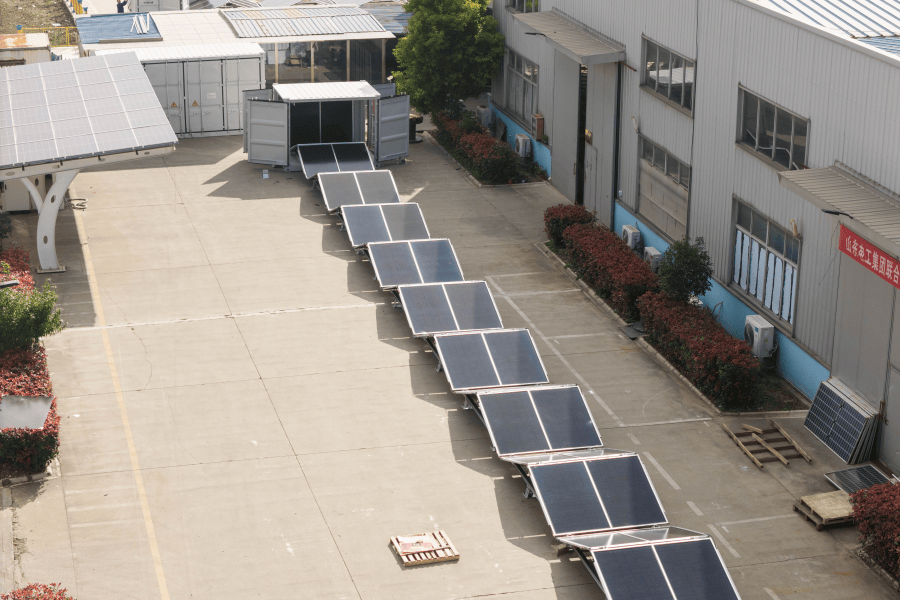
This is where pairing solar with a scalable, modular battery energy storage system (BESS) isn't just a "nice-to-have" green feature; it's a financial and operational necessity. The industry is rapidly converging on the ~1MWh modular block as a sweet spot. Think of it like building with LEGO. Instead of one massive, custom-built battery that's a nightmare to permit, install, or upgrade, you work with standardized, pre-certified 1MWh "blocks." This approach directly tackles the pain points of cost, complexity, and scalability that I've seen derail so many projects.

The Benefits Breakdown: It's Not Just About Backup Power
The benefits go far beyond just keeping the lights on during an outage. Let's break it down:
- Demand Charge Management (The Big Saver): This is the killer app. The BESS discharges during peak charging times, shaving the top off your power draw from the grid. I've seen sites reduce demand charges by 30-50%, paying for the system in just a few years. It's like using a battery to avoid a "surge pricing" fee from your utility.
- Future-Proof Scalability: Start with a 1MWh unit. When EV traffic doubles, you add another identical module. This modularity de-risks your initial investment. No need for a massive, upfront CAPEX for capacity you won't need for 5 years.
- Grid Independence & Resilience: With integrated solar, you create a microgrid-lite. During grid outages, you can prioritize critical charging or facility power. In regions with unstable grids or wildfire-related PSPS events, this is a major selling point for customers.
- Simplified Compliance & Deployment: Reputable modular systems are built to pre-certified standards like UL 9540 and IEC 62619. This means the core safety engineering is done. At Highjoule, our 1MWh Cube, for instance, arrives as a UL-certified "appliance," which significantly streamlines local AHJ (Authority Having Jurisdiction) approvals - a huge time-saver we've proven in deployments from Ohio to North Rhine-Westphalia.
Understanding the Tech in Simple Terms
A quick expert insight on two key specs you'll hear about: C-rate and Thermal Management. C-rate is basically how fast you can charge or discharge the battery. For EV charging, you need a high discharge C-rate to deliver those fast charging spikes. And that generates heat. Which brings me to the most critical part: thermal management. A cheap, passive cooling system will degrade your battery fast under high, repeated loads. A well-designed liquid cooling system, like we use, keeps cells at an optimal temperature, ensuring longevity and safety. It's the difference between an engine with a proper radiator and one without.
The Real-World Drawbacks (Let's Be Honest)
No solution is perfect. Here are the real challenges you need to plan for:
- Upfront Capital Cost: The biggest hurdle. While Levelized Cost of Storage (LCOS) - the total lifetime cost per MWh - is falling, you still need the initial investment. The business case hinges entirely on accurately modeling your demand charges and solar generation.
- Site Footprint & Logistics: A 1MWh modular unit isn't small. You need space for the container(s), proper clearances for safety and maintenance, and a suitable foundation. Site logistics and civil work can be a significant portion of the soft costs.
- Operational Complexity: This isn't a "set it and forget it" system. You need an intelligent energy management system (EMS) to decide when to charge from solar, when to charge from the grid (at off-peak rates), and when to discharge. The software and ongoing monitoring are key.
- Interconnection Nuances: Even with storage, your grid interconnection agreement is crucial. Some utilities have specific rules for storage discharge. Navigating this requires a partner who's done it before in your region.
A Case in Point: Seeing it Work in Texas
Let me give you a real example. We worked with a logistics fleet operator near Dallas. They had 50 electric delivery vans and their own depot solar canopy. Their challenge? All vans plugged in at 5 PM, causing a massive peak that wiped out their solar savings. We deployed two of our modular 1MWh cubes alongside their existing solar. The system is programmed to charge from excess solar midday and from the super-cheap grid overnight. At 5 PM, it discharges to cover the fleet charging spike. The result? A 44% reduction in their monthly demand charges, extending the life of their old transformer, and providing backup power for their dispatch center. The modular design meant we could phase the second unit in six months after the first, aligning with their budget.
Making the Right Call for Your Site
The decision isn't just about buying hardware; it's about choosing a long-term operational strategy. The scalable, modular 1MWh solar storage solution is a powerful tool, but its success depends on a meticulous site assessment, a solid financial model, and a partner that handles the complex integration and compliance pieces. The right partner should make the technology feel simple, even when the underlying engineering isn't. So, what's the biggest pain point on your upcoming site - is it the demand charge number on your last utility bill, or the uncertainty around future expansion?
Tags: UL Standard BESS LCOE Europe US Market Modular Energy Storage Renewable Energy EV Charging
Author
James Zhang
20+ years agricultural energy storage engineer / Highjoule CTO