
Environmental Impact of 20ft High Cube PV BESS for Construction Site Power
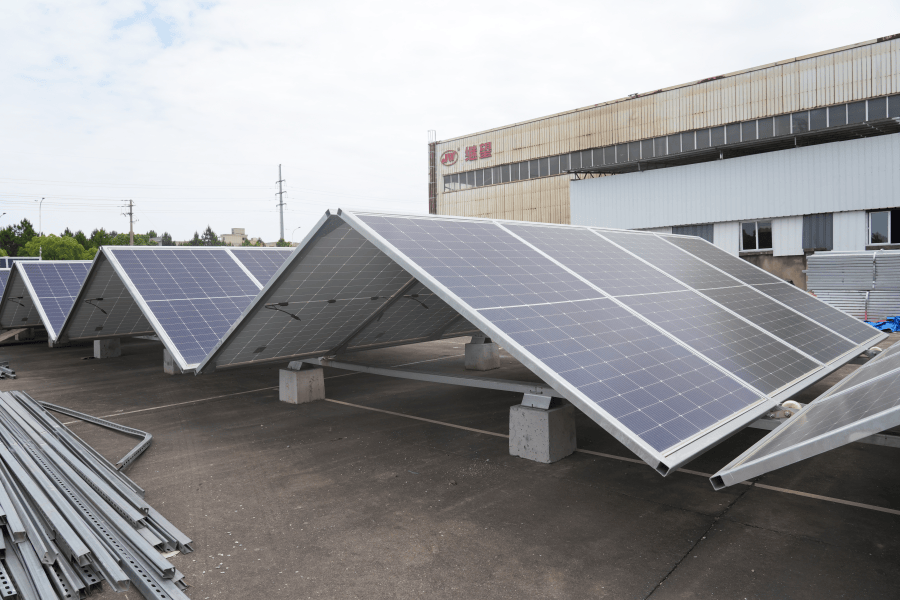
Table of Contents
- The Silent Culprit on Your Job Site
- Beyond Emissions: Diesel's Hidden Costs
- 20ft Container: The Site Power Game-Changer
- How Berlin Saved ?130k While Cutting Noise
The Silent Culprit on Your Job Site
Honestly, walk onto any major construction project in Texas or North Rhine-Westphalia, and that persistent diesel hum? It's more than just background noise C it's a costly environmental liability. I've seen firsthand how traditional generators guzzle fuel while pumping out NOx and particulate matter. In California alone, off-road equipment like diesel gensets contributed to over 20% of nitrogen oxide emissions from mobile sources (CARB 2025). Projects face tightening regulations from Berlin to Boston, where non-road emission standards (think EU Stage V or EPA Tier 4) are squeezing contractors already battling thin margins.
Beyond Emissions: Diesel's Hidden Costs
Let's break down the real pain points keeping site managers awake at night:
- Carbon Penalties: London's ULEZ expansion now charges 300/day for non-compliant equipment. That adds up faster than concrete pour delays.
- Nocebo Effect: Workers exposed to 85dB generator noise show 15% higher fatigue rates C impacting safety and productivity (OSHA field data).
- Fuel Volatility: Remember the 2024 diesel price spike? Sites in Frankfurt saw energy costs balloon by 40% overnight. Ouch.
I've walked sites where the diesel smell clung to my clothes for hours. That's not just unpleasant C it's a tangible health risk crews endure daily.
20ft Container: The Site Power Game-Changer
Here's where our 20ft High Cube PV-BESS flips the script. Picture this: a standard shipping container footprint packed with 3.44MWh storage (like our HJ-G0 series) and integrated solar canopy. No magic C just smart engineering:
- C-rate Flexibility: Think of C-rate as the battery's "breathing rhythm." We optimize it at 0.5C for steady crane operations but handle 2C bursts for pile drivers. Like having both marathon endurance and sprinter power.
- Thermal Management: Liquid cooling isn't luxury C it's survival. On Arizona sites, ambient temps hit 48C. Our system keeps cells at 25C2C, preventing thermal runaway while neighbors shutdown.
- LCOE Crushing: The math gets exciting. At ?0.42/kWh diesel vs. ?0.08/kWh solar + storage (NREL LCOE calculator), a 12-month project saves enough to fund two extra crew cabins.

Our UL 9540A-certified packs? They pass nail penetration tests that make even seasoned engineers nod approval. Safety isn't a sticker C it's layered protection down to the cell.
How Berlin Saved ?130k While Cutting Noise
Take the Siemensstadt Square redevelopment. Challenge: Power tower cranes without violating Berlin's new 55dB daytime noise ordinance. Diesel gensets? Instant violation.
Our solution: Two 20ft containers with 6.88MWh total capacity, fed by onsite PV and grid-charged during off-peak hours. Results spoke volumes:
| Metric | Before | After |
|---|---|---|
| Daily CO? | 2.1 tons | 0.4 tons |
| Noise Level | 82dB | 51dB |
| Energy Cost | ?620/day | ?190/day |
Project manager Franz Weber emailed me: "Neighbors stopped complaining. Finance approved overtime budgets from the savings. Win-win." That's the ripple effect of clean site power.

Honestly, the transition isn't just about compliance anymore. With EU carbon border taxes (CBAM) hitting construction materials, your site power choice now affects entire project carbon accounting. Why not make your energy partner a silent achiever?
Curious what your site's emission profile could look like with a 20ft cube? Let's crunch your numbers over coffee C virtually or onsite.
Tags: UL Standard BESS Construction Renewable Energy LCOE Site Power Carbon Footprint
Author
James Zhang
20+ years agricultural energy storage engineer / Highjoule CTO