
Reducing Environmental Impact with a 215kWh Cabinet BESS for Telecom Base Stations
Contents
- The Silent Energy Hog in Your Network
- Beyond the Carbon Footprint: The Real Cost of "Always-On"
- A Modular Answer: The 215kWh Cabinet BESS
- Case in Point: From Diesel Gensets to Clean Peaking Power
- Engineering for Impact: What Makes a BESS Truly "Green"?
- The Bottom Line: It's More Than Just Being Green
The Silent Energy Hog in Your Network
Let's be honest, when we talk about telecom infrastructure, the conversation is usually about coverage, speed, and latency. Rarely do we sit down and chat about the massive, quiet energy consumer sitting at the base of every tower: the power system. I've been on site at enough remote and urban base stations across Europe and the US to see the same story. To keep networks running 24/7, operators have traditionally relied on a simple, dirty formula: grid power (often fossil-fuel based) backed by diesel generators for outages. The International Energy Agency (IEA) points out that the ICT sector, including telecoms, accounts for about 1-1.5% of global electricity use, and that footprint is growing. Every time there's a grid dip or an outage, those diesel gensets roar to life. We're not just talking about carbon emissions here; we're talking about noise pollution, fuel logistics headaches, and a maintenance nightmare that hits your OpEx hard.
Beyond the Carbon Footprint: The Real Cost of "Always-On"
The environmental impact goes way beyond the obvious CO2 from diesel exhaust. Think about the lifecycle. Lead-acid batteries, still common for backup, have a limited lifespan, contain hazardous materials, and let's be real, their recycling chain isn't always perfect. Then there's the sheer inefficiency. A diesel generator running at low load - which is often the case during a base station outage - is terribly inefficient and produces higher levels of particulate matter. From a pure business perspective, this old-school approach agitates three major pain points: sky-high operational costs (fuel, maintenance, battery replacement), regulatory and reputational risk (facing stricter emissions standards and stakeholder pressure), and energy insecurity (tying your critical network uptime to volatile fuel supplies and an aging grid).
The Tipping Point for Change
What I've seen firsthand is that the calculus is changing. The cost of renewable energy has plummeted, and battery tech has matured. The question is no longer if to modernize, but how. The goal is clear: reduce diesel dependency, leverage cleaner grid power or on-site solar, and do it all without compromising an iota of reliability. That's where a well-designed Battery Energy Storage System (BESS) becomes the cornerstone, not just an add-on.
A Modular Answer: The 215kWh Cabinet BESS
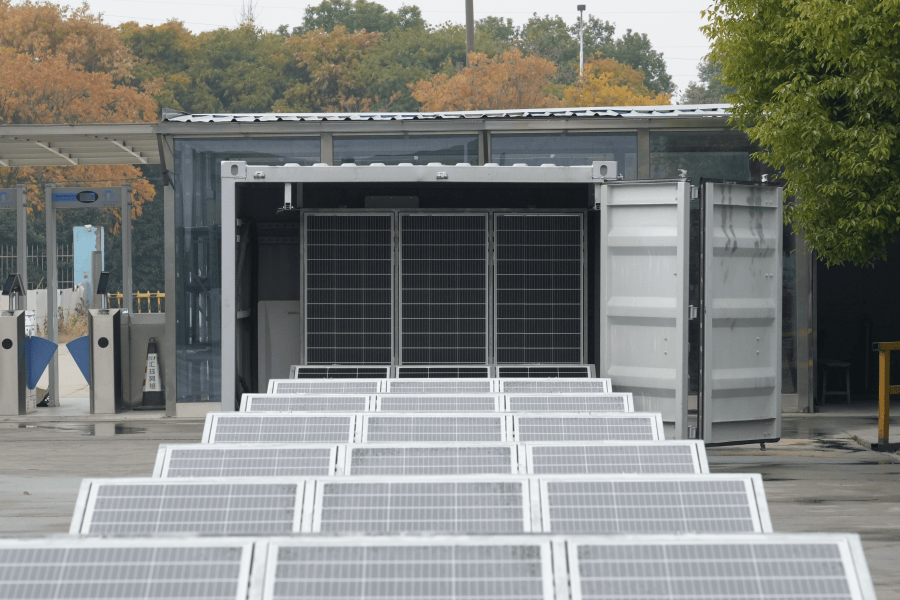
So, what's the solution on the ground? For many telecom applications, the sweet spot we've found for balancing power, footprint, and impact is a containerized or cabinet-based system like a 215kWh BESS. This isn't a one-size-fits-all magic box, but a flexible, modular building block. Why 215kWh? It's often the right scale to handle peak shaving (trimming your highest grid demand charges), providing several hours of backup for a typical base station, and seamlessly integrating with a solar canopy. It replaces an entire wall of lead-acid batteries and reduces, or even eliminates, the runtime needed from that diesel genset.
At Highjoule, when we engineer a cabinet system like this for the US or EU market, compliance isn't an afterthought - it's the foundation. It's built from the cell up to meet UL 9540, IEC 62619, and IEEE 1547 standards. This isn't just about ticking boxes; it's about proven safety and interoperability, which gives utilities and site managers the confidence to connect it. Honestly, that certification hurdle is where many theoretical solutions fail in practice.
Case in Point: From Diesel Gensets to Clean Peaking Power
Let me give you a real example from the Southwest US. A telecom operator had a cluster of base stations in an area with frequent afternoon grid congestion and high demand charges. Their diesel gensets were firing up almost daily during peak hours, just to avoid crippling utility fees. The environmental and cost profile was awful.
The challenge was to provide reliable peak power without the diesel emissions and noise. We deployed a 215kWh cabinet BESS at one key site, paired with a small, existing solar array. The system was configured for peak shaving: it discharges during the 4-7 PM grid peak, then quietly recharges overnight or from solar during the day. The diesel genset now only sits as a last-resort backup, its runtime slashed by over 90%.

The results? The site's carbon emissions from diesel dropped dramatically. The operator is saving tens of thousands annually on demand charges alone, with a project payback under five years. The local community stopped complaining about generator noise, and the operator now has a shiny ESG metric to report. This is the kind of tangible impact we're talking about.
Engineering for Impact: What Makes a BESS Truly "Green"?
Any battery stores energy, but not every BESS minimizes environmental impact. The devil is in the technical details that determine longevity, efficiency, and safety. Here's my take from the field:
- Thermal Management is Everything: Heat is the enemy of battery life. A passively cooled cabinet might be cheaper upfront, but in a desert or a cold climate, it'll degrade faster. Our systems use active liquid cooling to keep cells in their ideal 20-25C range year-round. This can double or triple the battery's operational life compared to poorly managed systems, directly reducing the environmental burden of manufacturing and recycling more units.
- Understanding C-rate in Practice: A high C-rate (fast discharge) sounds powerful, but it stresses the battery chemistry. For telecom peak shaving and backup, a moderate, sustainable C-rate is better. It extends lifecycle and improves round-trip efficiency - meaning more of the solar energy you put in actually gets used, rather than lost as heat. More efficiency equals less wasted energy, period.
- The Real Metric: Levelized Cost of Storage (LCOS): Don't just look at the upfront price per kWh. LCOS accounts for the total cost over the system's life: installation, maintenance, efficiency losses, and eventual replacement. A robust, well-cooled 215kWh BESS with a 10+ year design life will have a far lower LCOS and lower long-term environmental impact than a cheaper, disposable alternative. This is where smart engineering pays off for both the planet and the P&L statement.
The Bottom Line: It's More Than Just Being Green
Deploying a 215kWh Cabinet BESS for telecom base stations is fundamentally an exercise in modernizing power architecture for resilience and economics. The significant reduction in environmental impact - fewer emissions, less diesel burned, longer asset life - is a powerful and necessary byproduct. It future-proofs your sites against carbon taxes, satisfies ESG reporting, and builds community goodwill.
The technology is here, it's proven, and it's compliant. The question for network operators is, where in your network does the combination of high energy costs, unreliable grid, or diesel dependency hurt the most? That's usually the perfect place to start the conversation. What's the one site on your map that keeps you up at night thinking about its power bill or its carbon footprint?
Tags: UL Standard BESS LCOE Renewable Energy Battery Energy Storage System Environmental Impact Telecom Base Station Carbon Emissions
Author
James Zhang
20+ years agricultural energy storage engineer / Highjoule CTO