
Environmental Impact of 215kWh Cabinet Energy Storage Container for Military Bases
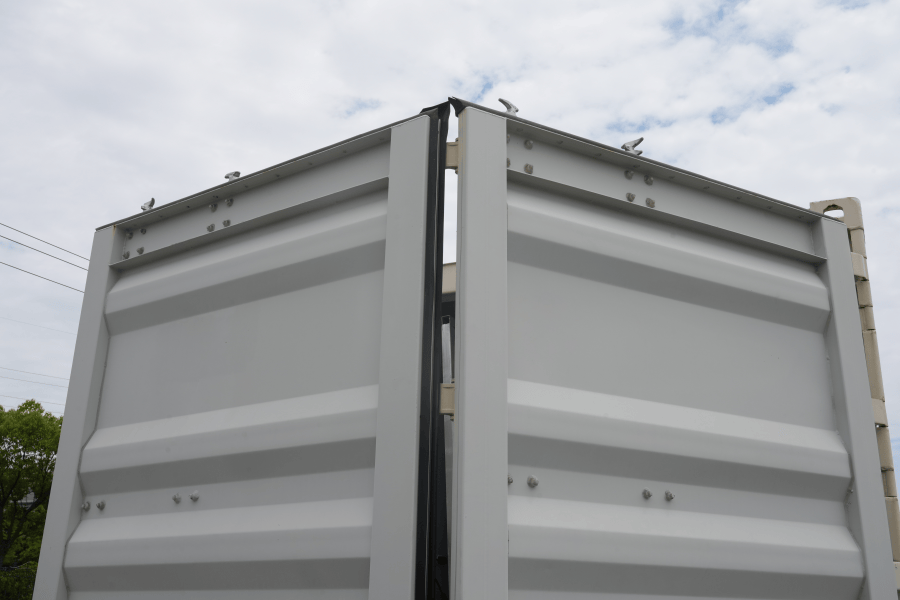
Table of Contents
- The Silent Problem: More Than Just Backup Power
- The Real Cost of "Being Green" on Base
- The 215kWh Container: A Pragmatic Environmental Solution
- From the Field: A Texas National Guard Case Study
- Expert Insight: It's Not Just the Battery, It's the System
- Making It Real for Your Base
The Silent Problem: More Than Just Backup Power
Let's be honest. When we talk about energy storage for military installations in the US and Europe, the conversation usually starts and ends with one word: resilience. Can the base keep running if the grid goes down? Absolutely critical. But sitting across from facility managers and energy officers over the years, I've noticed a quieter, growing pressure point. It's the question that comes after we solve the resilience piece: "Okay, but what's the real environmental footprint of this solution?"
This isn't just about checking a "green initiative" box. It's a tangible operational concern. Commanders are now evaluated on sustainability metrics. Procurement requires lifecycle analysis. And frankly, the old way - relying on banks of diesel generators that roar to life for weekly testing - is becoming a PR and compliance headache. The noise, the emissions, the fuel logistics... it's a model from a different era.
The Real Cost of "Being Green" on Base
Here's where the agitation sets in. Many bases have leapt into solar or wind, which is fantastic. But intermittency is a beast. I've been on sites where a 1MW solar array is effectively capped at a much lower output because there's no place to store the midday excess. That clean energy gets curtailed - wasted - because the local grid can't absorb it. According to a National Renewable Energy Laboratory (NREL) study, curtailment of renewables can exceed 5-10% in areas with high penetration, essentially throwing away both energy and investment.
The knee-jerk solution has been to look at massive, utility-scale storage projects. But for a contained military base environment, these can be overkill. They demand significant land use, complex civil works, and long interconnection queues. The embodied carbon in that concrete foundation? Substantial. The ongoing thermal management energy draw? A hidden operational cost that bites into your savings. You end up with a system so large and integrated that its environmental payback period stretches out, and the flexibility for future reconfiguration is near zero.
The 215kWh Container: A Pragmatic Environmental Solution
This is precisely where the modular, cabinet-style 215kWh energy storage container shifts the paradigm. It's not a one-size-fits-all monolith; it's a building block. The core environmental impact story here is about precision and efficiency.
Think of it like this: instead of building a huge reservoir, you deploy several strategically placed, smaller water tanks right where the demand is. A 215kWh unit is sized to directly pair with a microgrid cluster, a critical command center's dedicated PV array, or to provide peak shaving for a high-load facility like a datacenter or workshop. This localized approach minimizes transmission losses (which can be 5-8% over distance), a direct efficiency win.
From a footprint perspective, these containerized solutions are plug-and-play. They sit on a simple pad, not a massive excavated foundation. At Highjoule, our 215kWh cabinet is designed to UL 9540 and IEC 62933 standards from the ground up, which isn't just about safety - it's about longevity and resource efficiency. A robust, long-life cycle (think 15+ years with proper management) means you're not ripping and replacing hardware every decade, reducing electronic waste and the recurring embedded carbon of manufacturing new units.

From the Field: A Texas National Guard Case Study
Let me give you a real example. We worked with a National Guard facility in Texas that had a 300kW rooftop solar installation on their vehicle maintenance depot. Their goal was twofold: ensure the depot could operate for 72 hours off-grid and reduce their demand charges from the utility. Their challenge was space - the area next to the depot was tight and already used for logistics.
We deployed a single 215kWh container, paired with a dedicated inverter system. The container's footprint was smaller than two parking spaces. Because it was modular, we could position it optimally for cable runs and future ventilation. The result? They eliminated their diesel genset tests for that building (a direct emissions win), cut their peak demand by over 40%, and are now utilizing nearly 100% of their solar generation on-site. The payback period, factoring in fuel savings and demand charge reduction, was far shorter than a larger, centralized system would have offered. The environmental impact was immediate: quieter operations, zero runtime emissions, and maximized clean energy use.
Expert Insight: It's Not Just the Battery, It's the System
Here's the part I always emphasize over coffee: when you assess the environmental impact, you must look at the whole system, not just the battery cabinet. Three technical things matter most:
- Thermal Management: This is the silent energy hog. A poorly designed system can spend 10-15% of its stored energy just cooling itself. Our approach uses passive cooling and intelligent, climate-responsive active systems to keep that parasitic load below 5%. That's more usable energy for your mission, period.
- C-rate Intelligence: You don't always need to discharge at maximum speed. By optimizing the charge/discharge rate (the C-rate) to the actual load profile, we significantly reduce stress on the battery cells. This extends the system's calendar life, delaying the environmental impact of replacement and recycling.
- LCOE - The True Metric: The Levelized Cost of Energy (LCOE) for a storage system tells the full story. A lower LCOE means each kilowatt-hour delivered over the system's life is cheaper and typically has a lower carbon footprint, because you've spread the initial embodied carbon over a much larger, efficient output. A modular 215kWh system optimized for its specific duty cycle often achieves a better LCOE for targeted applications than an oversized, underutilized behemoth.

Making It Real for Your Base
So, what does this mean for your planning? The move to storage is inevitable. The question is how to do it smartly. The modular 215kWh container offers a path to enhanced resilience and measurable sustainability gains, without the footprint and complexity of a mega-project.
It allows for phased, scalable deployment. Start with your most critical, energy-intensive node. Prove the concept, realize the fuel and cost savings, and then replicate. This agile approach is not only fiscally responsible but also environmentally astute - you only build what you need, when you need it.
The standards - UL, IEC, IEEE - are your friends. They ensure safety, but they also enforce efficiency and durability benchmarks that directly correlate to a lower lifecycle environmental impact. When you're evaluating solutions, dig into the thermal management specs and the expected round-trip efficiency at your base's typical ambient temperature. That's where the real differences, and the real long-term impacts, are hiding.
What's the one energy resilience problem on your base that, if solved, would also make your sustainability officer's day? Maybe it's time we map a 215kWh block against it.
Tags: Energy Storage Container UL Standard BESS LCOE Military Energy Resilience
Author
James Zhang
20+ years agricultural energy storage engineer / Highjoule CTO