
ROI Analysis of C5-M Anti-corrosion 5MWh Utility-scale BESS for Eco-resorts
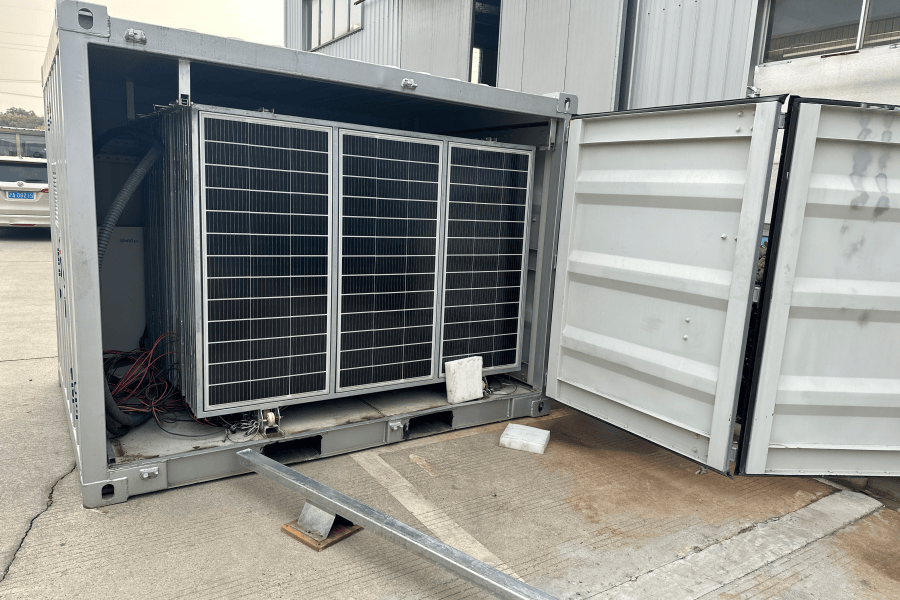
Table of Contents
- The Real Cost of a Rusty Battery: It's Not Just About Upfront Price
- The C5-M Advantage: Engineering for the Long Haul
- Crunching the Numbers: A 5MWh ROI Breakdown for a Coastal Resort
- Beyond the Spreadsheet: The Intangible ROI of Resilience
- Making the Right Choice: What to Look For
The Real Cost of a Rusty Battery: It's Not Just About Upfront Price
Let's be honest. When most resort developers or facility managers look at a Battery Energy Storage System (BESS) quote, the first number their eyes jump to is the capital expenditure. That big, bold number for a 5MWh system. I've been in dozens of meetings where the decision seems to hinge on shaving a few percentage points off that initial price. But here's the thing I've seen firsthand on site, especially in coastal California, the Mediterranean, or Caribbean islands: that cheaper system can become the most expensive asset you own in under five years.
The problem isn't the battery chemistry itself - most are robust. It's everything around it. The enclosure, the cooling system, the busbars, the connectors. In a salty, humid environment, standard industrial-grade steel starts a slow, expensive dance with corrosion. I recall a project in Florida where a non-specifically protected container showed significant panel rust and connector degradation within 18 months. The operational headaches were immense - unplanned downtime for repairs, increased thermal management issues (corrosion hurts heat dissipation), and a gradual, silent erosion of system efficiency and capacity. According to a NREL report on BESS durability, environmental stressors like salt spray are a leading cause of long-term performance decline, directly impacting Levelized Cost of Storage (LCOS). You might save 15% upfront, but lose 30% or more in system life and performance.
The C5-M Advantage: Engineering for the Long Haul
This is where the conversation around ROI Analysis of C5-M Anti-corrosion 5MWh Utility-scale BESS for Eco-resorts gets real. It shifts the focus from simple payback period to total cost of ownership. The "C5-M" classification isn't just a marketing term; it's a rigorous ISO 12944 standard defining corrosion protection for very aggressive atmospheres (like coastal and offshore). At Highjoule, when we build a system to this spec, it's a holistic approach:
- The Envelope: Hot-dip galvanized steel frame with a multi-layer epoxy-polyurethane paint system. It's overkill for a data center in Arizona, but it's the bare minimum for a seaside resort in Greece.
- Internal Climate: Advanced thermal management isn't just about keeping cells at 25C. It's about maintaining a stable, low-humidity internal environment. Our systems use corrosion-resistant coated coils and desiccant breathers to prevent internal condensation - a silent killer of electronics.
- Every Bolt & Busbar: Stainless-steel fasteners, silver-plated or tin-plated copper busbars. These details cost more, but they prevent the "green crust" that increases electrical resistance, causes hot spots, and can lead to safety incidents.

Honestly, the goal is simple: to ensure the balance-of-plant hardware outlives the battery cells inside. When your 5MWh system reaches its end-of-life after 15+ years, you should be decommissioning it because the cells have degraded, not because the container is falling apart.
Crunching the Numbers: A 5MWh ROI Breakdown for a Coastal Resort
Let's talk specifics. Imagine a 200-room eco-resort in Southern Europe. Peak demand is sharp (evenings, pool pumps, A/C), and they have a 2.5MW solar PV array. Their pain points are high peak demand charges from the grid and wanting to maximize solar self-consumption.
A standard 5MWh BESS might cost $1.4 million. A C5-M engineered system like ours might come in at $1.55 million - a ~10% premium.
| Cost/Saving Factor | Standard BESS (Est.) | C5-M BESS (Est.) | Notes |
|---|---|---|---|
| Capital Cost | $1,400,000 | $1,550,000 | Higher upfront for C5-M |
| Annual Demand Charge Savings | $180,000 | $180,000 | Core revenue stream, same for both |
| Annual O&M Cost (Year 1-5) | $25,000 | $18,000 | Lower for C5-M due to reliability |
| Major Component Replacement (Year 8) | $120,000 | $40,000 | Inverter/cooling repairs likely for standard unit |
| System Life Expectancy | 12 years | 16+ years | C5-M protects the asset longer |
| Total 16-Year Net Value | ~$1.82M | ~$2.41M | C5-M delivers ~$590k more value |
The math reveals the truth. The C5-M system's higher durability translates directly into lower operational costs, fewer catastrophic failure risks, and 4+ extra years of revenue-generating life. That's where the real ROI is buried. The payback period might be a few months longer, but the net present value (NPV) of the investment is significantly higher.
Beyond the Spreadsheet: The Intangible ROI of Resilience
For an eco-resort, the brand is everything. "Sustainability" and "resilience" aren't just buzzwords; they're part of the guest experience and marketing material. A BESS that fails during a heatwave, causing a blackout, is a PR disaster. I've consulted on a microgrid project in Northern Michigan where the BESS provided critical backup during a winter storm. The resort could market itself as a "climate-resilient retreat," commanding premium rates.
A robust, C5-M system is an insurance policy. It ensures your energy independence strategy doesn't corrode away with the first major storm. It aligns with the long-term vision of the property. When we deploy a system, we're not just dropping off a container; we're providing a local team trained on the specific corrosion-resistant features and a parts network that understands the criticality of using the right, certified replacements. That service layer is part of the ROI that doesn't fit in a spreadsheet cell.

Making the Right Choice: What to Look For
So, when you're evaluating a ROI Analysis of C5-M Anti-corrosion 5MWh Utility-scale BESS for Eco-resorts, don't just ask for the price per kWh. Dig deeper. Ask for the corrosion protection specification sheets. Confirm compliance with UL 9540 (safety) and UL 9540A (fire testing), but also ask how the enclosure itself is certified. Demand to see the details on the cooling system's materials. A reputable provider like Highjoule will have this documentation ready and will welcome the technical discussion.
The right question isn't "What does it cost today?" It's "What will this asset be worth, and what costs will it avoid, over the next 15 years?" That's the analysis that truly defines a smart investment in sustainable infrastructure. What's the one environmental factor at your site that keeps you up at night thinking about your equipment's lifespan?
Tags: UL Standard BESS LCOE Europe US Market Renewable Energy Energy Storage ROI Utility-scale Battery
Author
James Zhang
20+ years agricultural energy storage engineer / Highjoule CTO