
ROI Analysis of IP54 Outdoor Off-grid Solar Generator for Data Center Backup Power
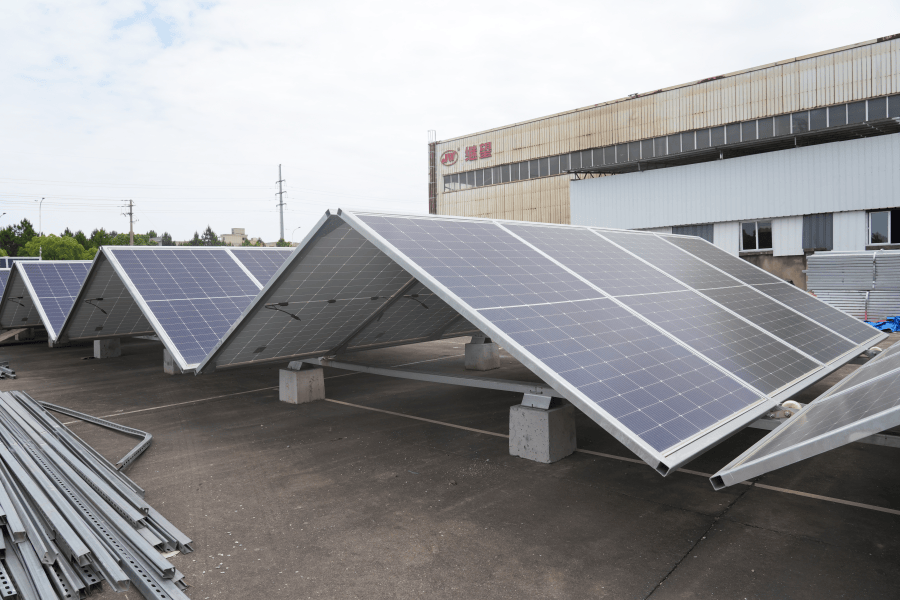
Table of Contents
- The Silent Cost of "Just Another Backup Generator"
- ROI in the Real World: Looking Beyond the Price Tag
- Why IP54 & "Outdoor-Ready" Isn't Just Marketing Speak
- Crunching the Numbers: A Framework for Your Analysis
- A Case in Point: The Midwest Colo Project
- Making the Right Call: Questions to Ask Your Vendor
The Silent Cost of "Just Another Backup Generator"
Hey there. Let's be honest for a minute. When most folks think about backup power for a data center or a critical commercial facility, the mental image is often a diesel genset - a big, noisy, smelly box that hopefully never kicks in. The CapEx looks straightforward, and it checks the "compliance" box. But having been on-site for more emergency call-outs and maintenance headaches than I care to count, I can tell you the real cost is hiding in the fine print. It's in the fuel contracts, the biannual load-bank testing, the emissions permits, and the sheer space it consumes. And if it's in a populated or sensitive area? The noise and environmental regulations alone can turn it from an asset into a liability overnight.
This is where the conversation is shifting. I've seen firsthand, especially in places like California and across the EU, where carbon targets and community noise ordinances are tightening. A report by the International Energy Agency (IEA) highlights the growing policy push for cleaner resilience solutions. Decision-makers aren't just asking "What's the upfront cost?" anymore. They're asking, "What's the total cost of ownership over ten years?" and "How does this affect our sustainability footprint?" That's the perfect entry point for a serious ROI Analysis of an IP54 Outdoor Off-grid Solar Generator for Data Center Backup Power.
ROI in the Real World: Looking Beyond the Price Tag
So, how do you calculate a meaningful ROI for a solar-plus-storage backup system? It's more than subtracting one capital expense from another. You need to model the entire lifecycle. Here's what often gets missed:
- OpEx Avoidance: No fuel. Significantly reduced maintenance (we're talking quarterly visual checks vs. weekly engine run-ups). This is pure, recurring cost savings.
- Regulatory & Incentive Stacking: In the US, think Investment Tax Credit (ITC). In parts of Europe, there are grants for enhancing grid stability with distributed storage. A well-designed off-grid system can often qualify, dramatically improving the payback period.
- Secondary Revenue Streams: This is a big one in ROI models. When not backing up your data center, can the system perform demand charge reduction for your main facility? Some markets allow for grid services. This turns a dormant insurance policy into an active revenue generator.
- LCOE - The Real Metric: The Levelized Cost of Energy (LCOE) for a solar+storage system you own is often fixed and predictable for 20+ years. Compare that to the volatile price of diesel or the ever-rising cost of grid power. This long-term price certainty is a financial director's dream.

Why IP54 & "Outdoor-Ready" Isn't Just Marketing Speak
You'll see "IP54" and "outdoor" all over spec sheets. But let me tell you from the field: this is where cheap solutions fail expensively. IP54 means protection against dust and water spray from any direction. For an outdoor unit in, say, Florida's humidity or Germany's sleet, that's non-negotiable. But the real magic - or disaster - is in the thermal management.
A battery's lifespan and safety are dictated by its operating temperature. An outdoor cabinet in Arizona needs a robust, redundant cooling system that doesn't consume more power than it saves. At Highjoule, when we design an outdoor-rated system, we're not just slapping a bigger AC unit on a box. We look at the local climate data, model the thermal load, and often use passive cooling techniques alongside active systems to minimize parasitic load. This directly impacts your ROI by extending battery life from maybe 10 years to 15+ years. It's engineering for total cost, not just sticker price.
Crunching the Numbers: A Framework for Your Analysis
Let's build a simple model. Don't worry about exact figures; the structure is what matters.
The "win" for the solar generator often comes in Year 7-10, when you've avoided enough fuel and maintenance costs to cover the higher initial investment, and you still have a modern, compliant, multi-functional asset on your books.
A Case in Point: The Midwest Colo Project
I can't name the client, but here's a real scenario. A colocation provider in the US Midwest needed N+1 backup for a new data hall. A second diesel genset was the standard path. But local air quality rules were changing, and the space was tight.
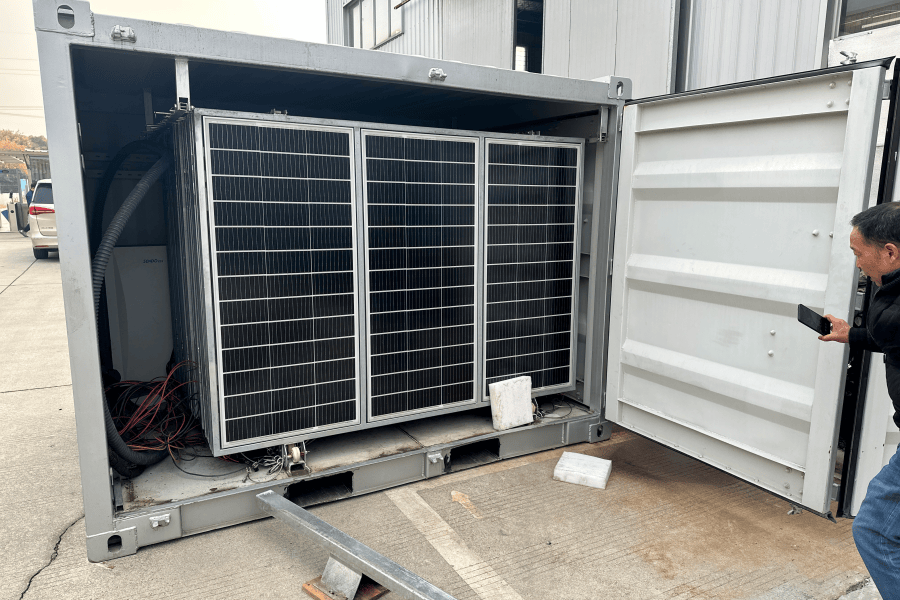
We proposed an outdoor, off-grid solar generator with a battery sized for 8 hours of critical load. The challenges were the wide temperature swings and ensuring UL 9540 certification for fire safety, which was a hard requirement for their insurance. The solution was a self-contained, IP54-rated Highjoule PowerCube with a liquid-cooled battery system for precise thermal control, paired with a ground-mounted solar array.
The ROI wasn't just in diesel savings. By using the system's advanced inverter to perform daily peak shaving on the entire building's utility demand, they're saving over $25,000 a month on their electricity bill. The system pays for itself through demand savings alone before the battery warranty expires. The backup capability is essentially free. That's the power of a holistic analysis.
Making the Right Call: Questions to Ask Your Vendor
If you're considering this path, your vendor selection is critical. Here's what to ask, based on what I've learned makes or breaks a project:
- "Can you provide a detailed, site-specific financial model, not just a product brochure?"
- "Is the system listed to UL 9540 (US) and designed to IEC 62933 (EU) standards? Can I see the certification documents?"
- "How does the thermal management system work, and what is its parasitic load at my site's design temperature extremes?"
- "What is the expected degradation curve of the battery, and how does that affect my guaranteed backup runtime in Year 10?"
- "What is your local service and maintenance footprint? If I have an alarm at 2 AM, who shows up?"
The right partner won't just sell you a box. They'll be a consultant, helping you navigate the full ROI Analysis of an IP54 Outdoor Off-grid Solar Generator for Data Center Backup Power. They'll talk about cycles, C-rates, and round-trip efficiency in terms of dollars and cents, not just engineering specs.
So, what's the biggest operational cost your current backup strategy is hiding? Maybe it's time we map it out.
Tags: UL Standard BESS Off-grid Solar Data Center Backup ROI Analysis Energy Resilience IEC Standard
Author
James Zhang
20+ years agricultural energy storage engineer / Highjoule CTO