
ROI Analysis of LFP Off-grid Solar Generators in Coastal Salt-spray Environments
Content Navigation
- The Hidden Cost of Coastal Power
- Why Salt Air is a Battery Killer
- The LFP Advantage: Beyond Chemistry
- Calculating Real ROI: A Case Study
- Key Factors Driving Your LFP ROI
- Beyond the Box: Designing for Durarability
The Hidden Cost of Coastal Power
Let's be honest. When you're planning an off-grid solar setup for a coastal resort, a remote telecom site, or a seaside aquaculture farm, the initial quote for the solar panels and battery system gets all the attention. But the number that really matters, the one that determines if your project is a financial success or a money pit, is the long-term Return on Investment (ROI). And in salt-spray environments, that ROI calculation gets turned on its head. I've seen too many projects where a cheaper, less robust battery system was chosen, only to see its performance plummet and replacement costs skyrocket within a few years, completely erasing any upfront savings. The International Renewable Energy Agency (IRENA) notes that system longevity and reduced maintenance are critical drivers for the Levelized Cost of Storage (LCOS), which is essentially the ultimate measure of ROI for assets like these.
Why Salt Air is a Battery Killer
It's not just the obvious corrosion on external metal parts. Salt spray is an insidious enemy. It's a highly conductive, corrosive aerosol that creeps into enclosures, settles on electrical contacts, and accelerates the degradation of battery cells themselves. For many traditional battery chemistries, this means increased internal resistance, capacity fade, and a serious risk of thermal runaway. The agitation here isn't just about replacing a terminal connector; it's about the entire system failing prematurely. On a project in the Florida Keys, we audited a 3-year-old off-grid system using a different chemistry. The thermal management system was clogged with salt crystals, the battery management system (BMS) contacts were failing, and the capacity had dropped by over 40%. The promised 10-year life? It was gone. The client wasn't looking at ROI anymore; they were facing a total repower cost.
The LFP Advantage: Beyond Chemistry
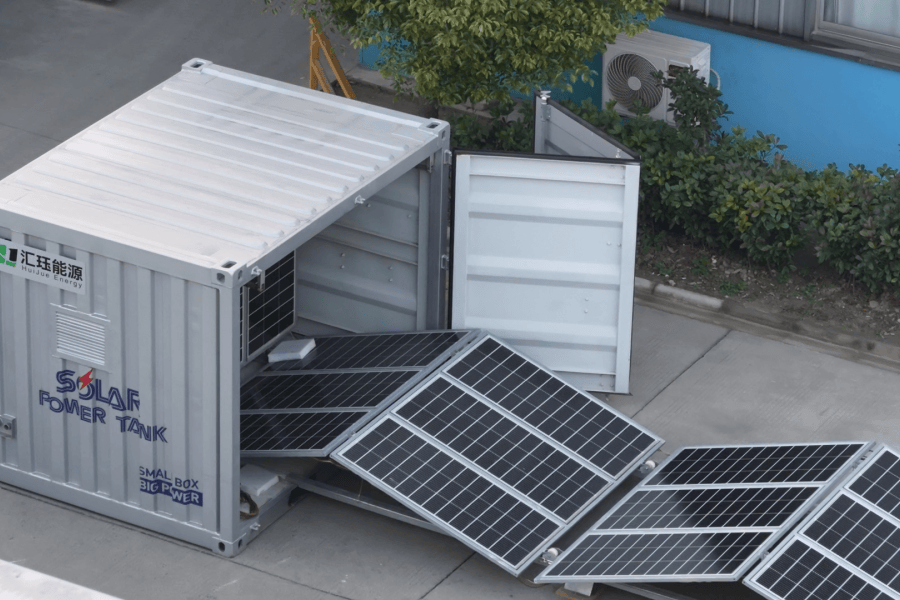
This is where a proper ROI Analysis of LFP (LiFePO4) Off-grid Solar Generator for Coastal Salt-spray Environments starts to make compelling sense. Lithium Iron Phosphate (LFP) chemistry has inherent stability advantages C it's much more tolerant of high temperatures and has a lower risk of thermal events. But for ROI in harsh environments, the chemistry is just the starting point. The real value is in building a system around that robust chemistry. At Highjoule, when we design for coastal sites, we're not just selecting LFP cells from a catalog. We're engineering the entire package: from proprietary coating on internal busbars to UL and IEC-compliant sealed enclosures with positive pressure filtration systems that keep salt-laden air out. This integrated approach is what extends the operational life from a few painful years to 15+ years of reliable service. That longevity is the single biggest lever on your ROI.

Calculating Real ROI: A Case Study
Let's talk numbers from a real, albeit anonymized, deployment for a small desalination plant on the Gulf Coast of Texas. The challenge was powering the plant 24/7, with no grid connection, in a Category 5 salt-spray zone.
- Scenario: Off-grid solar + storage for constant 20kW load.
- Option A (Initial Low-Cost Bid): A containerized system using a different lithium chemistry, with standard IP55 protection. Projected lifespan: 7 years.
- Option B (Our LFP Solution): A Highjoule LFP system with IP56 sealing, corrosion-resistant coatings, and an enhanced cooling system designed for salty, humid air. Projected lifespan: 15 years.
On Day 1, Option A was 25% cheaper. But our ROI analysis looked different. We factored in:
- Capital Cost: Higher upfront for Option B.
- Replacement Cost: Option A needing a full battery replacement in Year 8.
- Lost Productivity/Downtime: Two weeks of estimated downtime for replacement of Option A, requiring temporary diesel generators.
- O&M Costs: Higher annual inspection and cleaning costs for Option A's less robust system.
- Performance Degradation: A more aggressive capacity fade rate for Option A, meaning less usable energy over time.
The result? When we calculated the Levelized Cost of Energy (LCOE) C the total lifetime cost divided by total energy output C for each system over a 15-year period, our hardened LFP system offered a 30% lower LCOE. The higher initial investment was dwarfed by the avoidance of a major mid-life capital outlay and ongoing operational headaches. That's the true ROI picture.
Key Factors Driving Your LFP ROI
To make your own analysis, focus on these variables:
- Cycle Life & Depth of Discharge (DoD): Quality LFP can deliver 6000+ cycles at 80% DoD. In off-grid, you cycle daily. More cycles before failure = more years of service.
- C-rate and Thermal Management: Salt spray degrades cooling efficiency. A system designed with a conservative C-rate (charge/discharge rate) and an over-specified thermal system will maintain performance and lifespan. Don't push the cells to their absolute limit in these environments.
- Warranty and Local Support: A 10-year warranty is only as good as the company behind it. Does the provider have local technicians who understand the environmental challenges? Highjoule's partnership model ensures spare parts and expert support are within reach, preventing months-long delays that destroy ROI.
Beyond the Box: Designing for Durarability
Finally, the container or enclosure itself is your first line of defense. I've seen standard shipping containers turned into rust buckets in five years on the coast. Our approach uses specific marine-grade alloys and paints, and critically, we design the entire system layout to minimize external cabling and vents on the windward side. It's these practical, on-the-ground lessons from hundreds of deployments that get baked into our product standards, which often exceed the baseline requirements of UL 9540 and IEC 61427-2 for stationary storage.
So, when you're evaluating proposals, look past the $/kWh sticker price on the battery cell. Ask your provider to walk you through their 15-year ROI model specifically for a salt-spray environment. What degradation rate are they assuming? How is the BMS protected? What's the plan for maintaining cooling efficiency? If they don't have detailed, convincing answers, you're not getting the full story. The right LFP system isn't just a product; it's a long-term partnership for resilient power. What's the single biggest operational risk your coastal off-grid project faces?
Tags: UL Standard BESS Off-grid Solar Microgrid ROI Analysis IEC Standard Salt-Spray Environment LiFePO4 Battery Coastal Energy
Author
James Zhang
20+ years agricultural energy storage engineer / Highjoule CTO