
A Step-by-Step Guide to Installing LFP Battery Storage for Industrial Parks
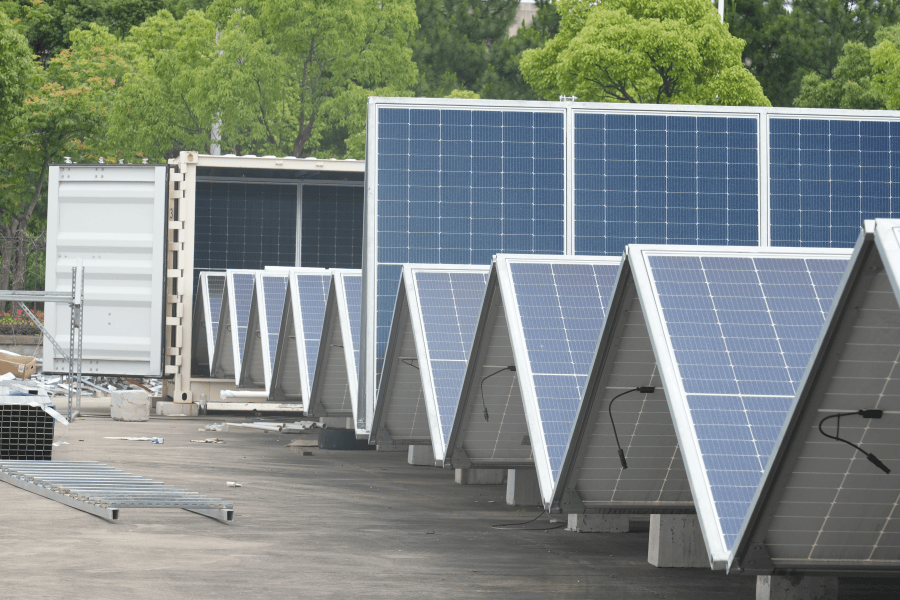
From Blueprint to Power: A Real-World Guide to Installing LFP Storage in Your Industrial Park
Honestly, if I had a nickel for every time a plant manager told me, "We want battery storage, but the installation process seems like a black box," I could probably retire. It's a common sentiment here in the US and across Europe. You see the value proposition C energy cost savings, backup power, sustainability goals C but the path from signing a contract to flipping the "on" switch feels murky, filled with technical jargon and unforeseen site complications. I've seen this firsthand on site, where a lack of clear process can lead to delays, budget overruns, and safety concerns that make CFOs and facility managers understandably nervous.
That's why I want to pull back the curtain. Forget the glossy brochures for a minute. Let's talk about what a real-world, step-by-step installation of an LFP (LiFePO4) Photovoltaic Storage System for an industrial park actually looks like. We'll walk through it like we're having coffee, discussing the critical phases that ensure your project is safe, compliant with standards like UL 9540 and IEC 62619, and delivers the lowest possible Levelized Cost of Energy (LCOE) from day one.
Table of Contents
- The Real Problem: It's More Than Just "Plug and Play"
- Phase Zero: The Foundation (Site Assessment & System Design)
- The Core Installation: A Methodical, Safe Process
- Why LFP, Why Now? The Tech Behind the Reliability
- Beyond Commissioning: The Long Game
The Real Problem: It's More Than Just "Plug and Play"
The biggest misconception is treating a multi-megawatt-hour BESS like a consumer appliance. In an industrial setting, you're not just installing batteries; you're integrating a complex power asset into a live, revenue-critical environment. The pain points are real:
- Interconnection Hell: Navigating utility requirements and grid interconnection studies can take longer than the physical install. A 2023 report by the National Renewable Energy Laboratory (NREL) highlighted that interconnection queues are a primary bottleneck for storage deployment.
- Site Suitability Surprises: Is the ground prepared for a 50-ton container? Are there underground utilities? What's the fire department's access requirement? Missing these details in planning causes massive delays.
- Safety & Compliance Anxiety: With varying local codes (NFPA 855 in the US, for example) and stringent standards, ensuring every component from the battery rack to the HVAC is certified is non-negotiable. A single non-compliant part can fail an entire inspection.
I remember a project in Texas where the initial site plan overlooked a drainage culvert. We caught it during our detailed assessment, but if we hadn't, the foundation work would have been a costly disaster. This phase C what we at Highjoule call "Phase Zero" C is where projects are truly won or lost.
Phase Zero: The Foundation (Site Assessment & System Design)
This is the most critical, yet often rushed, step. A proper installation begins long before the first container arrives.
1. The Deep-Dive Site Audit: Our engineers don't just look at a map. We walk the land. We assess soil bearing capacity, drainage paths, and proximity to other critical infrastructure. We meet with the local fire marshal to review spacing and access requirements. This isn't just paperwork; it's building trust and foresight.
2. System Sizing & Technology Selection: Here's where LFP chemistry shines for industrial parks. Compared to older NMC chemistries, LFP offers a superior safety profile (higher thermal runaway temperature) and longer cycle life C crucial for daily charge/discharge cycles. We model your load profiles, solar generation (if applicable), and tariff structures to right-size the system. Oversizing hurts your ROI; undersizing leaves money on the table.
3. Detailed Engineering & Permitting: Every conduit run, every grounding point, every thermal management duct is mapped. Our designs are built to pre-empt issues. For instance, we always spec independent, N+1 redundant cooling systems for our containerized solutions. In Arizona or Southern Spain, ambient heat is a battery killer. Proper thermal management isn't an add-on; it's the key to hitting that 15-20 year lifespan. We then shepherd the entire permit package through local authorities, leveraging our experience with UL and IEC standards to smooth the process.

The Core Installation: A Methodical, Safe Process
With permits in hand, the physical installation begins. This is a dance of heavy machinery and precision electrical work.
Step 1: Foundation & Pad Preparation: The BESS container pad is poured to exact specifications, with all grounding electrodes installed. This is the literal and figurative foundation for safety.
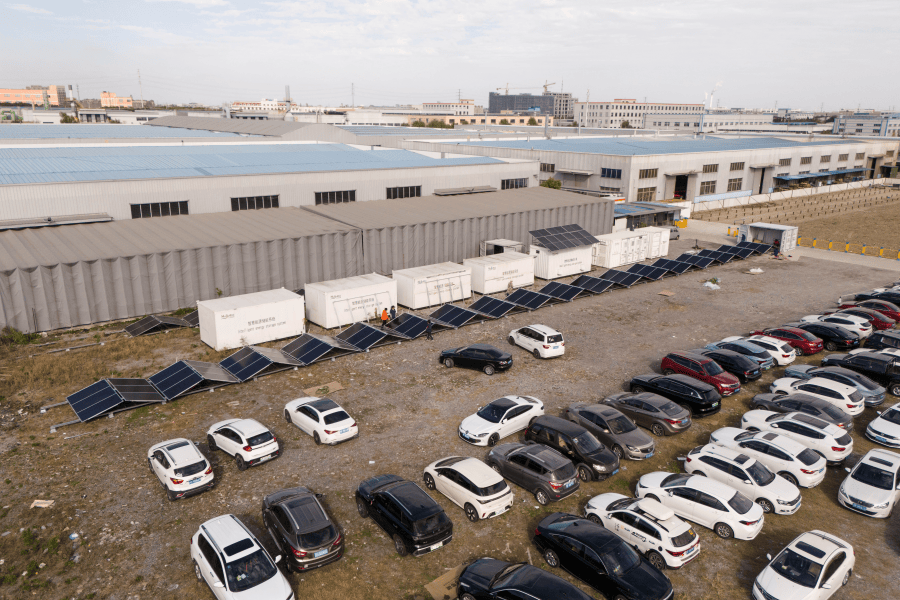
Step 2: Container Placement & Mechanical Fit-Out: The UL 9540-certified container is craned into place. Immediately, the internal climate control (HVAC) and fire suppression systems are activated and tested. We never store batteries in an uncontrolled environment.
Step 3: Electrical Integration C The Heart of the Operation:
- DC Side: Battery racks are installed, and cells are connected into strings. We perform meticulous torque checks on every busbar connection C a loose connection creates resistance, heat, and failure. The Battery Management System (BMS) is wired in, the brain that monitors every cell's voltage and temperature.
- AC Side: The inverter/transformer skid is connected. This is the muscle, converting DC to AC. We integrate the system with your main switchgear, installing critical protective relays and ensuring seamless transfer switching for backup scenarios.
- The Brain: The Energy Management System (EMS) is commissioned. This software platform is your dashboard for controlling the system C setting charge/discharge schedules based on time-of-use rates or demand charge management.
Step 4: Commissioning & Utility Interconnection: This is the final exam. We run a full sequence of functional tests: islanding tests, grid-following tests, and full-power charge/discharge cycles. Only after we C and more importantly, the utility inspector C are 100% satisfied, is the system granted permission to operate (PTO).
Why LFP, Why Now? The Tech Behind the Reliability
You'll hear a lot about LFP. Let me break down, in plain English, why it's become the go-to for industrial applications.
Safety First, Full Stop: LFP chemistry is inherently more stable. The phosphate bond requires much more energy to break down than other chemistries, making thermal runaway C a cascading battery fire C far less likely. This isn't just a datasheet claim; it translates directly to easier insurance approvals and peace of mind for your facility.
Longevity & LCOE: LFP batteries can typically handle more charge/discharge cycles (think 6000+ vs. 3000-4000 for some NMC) before significant degradation. When we talk about Levelized Cost of Energy (LCOE) C the total lifetime cost per kWh C this longevity is a massive driver. More cycles over more years means a lower cost for every unit of energy you store and use.
C-Rate in Practice: You might see specs like "1C" or "0.5C." Simply put, the C-rate is how fast you can charge or discharge the battery relative to its capacity. A 1 MWh system with a 1C rating can deliver 1 MW of power for one hour. For most industrial peak-shaving applications, a moderate C-rate (0.5C-1C) is perfect and is a sweet spot for LFP, balancing power needs with battery stress and cost.
Beyond Commissioning: The Long Game
The handshake after PTO isn't the end of our relationship. An industrial BESS is a long-term asset. At Highjoule, our service model includes remote 24/7 monitoring. We watch performance trends, flag any anomalies in cell balance or cooling efficiency, and can often resolve issues before you'd ever notice a dip in performance. We provide regular health reports, so you have a clear view of your asset's state and remaining value.
So, what's the next step for your park? Is it a detailed feasibility study to model your specific savings, or perhaps a walk-through with our team to identify the ideal site location on your property? The process, while detailed, is proven. The key is partnering with a team that's done it hundreds of times, knows the pitfalls before they happen, and is committed to making your storage project not just a successful installation, but a high-performing financial asset for decades to come.
Tags: UL Standard BESS LCOE Europe US Market Industrial Energy Storage Renewable Energy LFP Battery
Author
James Zhang
20+ years agricultural energy storage engineer / Highjoule CTO