
Smart BESS for Construction Sites: Solving Power & Cost Challenges
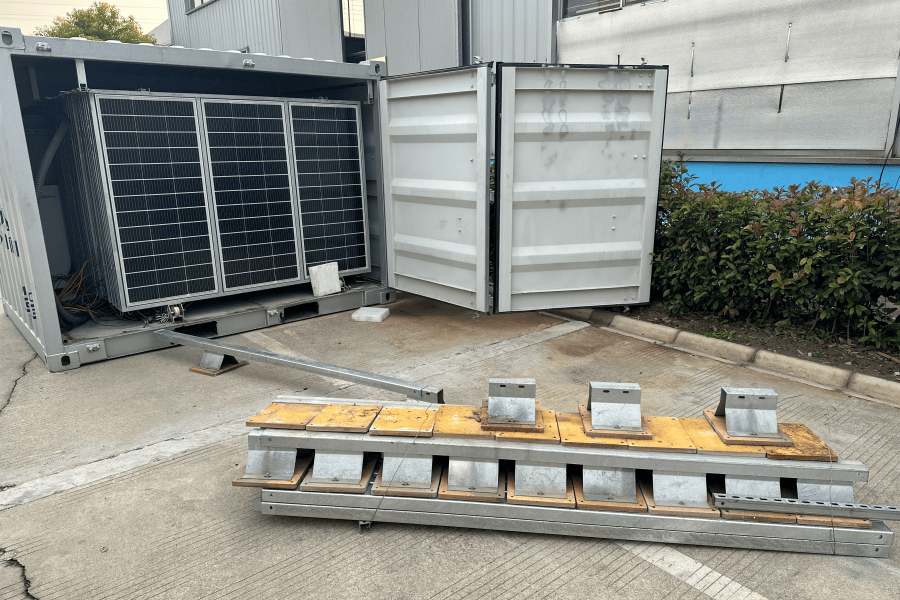
Table of Contents
- The Real Power Problem on Your Job Site
- Why Temporary Power Costs You More Than You Think
- The Smart Container Solution: More Than Just a Battery Box
- A Case in Point: How a German Contractor Got It Right
- What Makes It "Smart"? Decoding the Tech for Non-Techies
- Your Next Steps: Thinking Beyond the Generator
The Real Power Problem on Your Job Site
Let's be honest. When you're managing a construction site, "power" usually means two things: a massive diesel generator roaring in the corner, and the monthly fuel bill that makes you wince. It's noisy, it's dirty, and frankly, it's a bit of a dinosaur in today's world. I've been on sites from Texas to Bavaria, and the story is often the same. The real pain point isn't just the cost or the noise - it's the unpredictability. Grid connection delays, peak demand charges that skyrocket when everyone cranks up their equipment at 8 AM, and the sheer logistical headache of fueling and maintaining those generators. It eats into your margin and your schedule.
Why Temporary Power Costs You More Than You Think
We often just accept the generator as a necessary evil. But let's agitate that pain a little. According to a National Renewable Energy Laboratory (NREL) analysis, fuel and maintenance for temporary diesel power can constitute up to 40% of a remote site's operational overhead. That's huge. And it's not just the direct cost. Think about the carbon footprint you're locking in for the project's duration - increasingly a factor in winning bids, especially in Europe and progressive U.S. states. There's also the idle time. Generators are notoriously inefficient at partial load. So when your crew is on lunch break, you're still burning money and emitting CO2 for no productive output. I've seen firsthand on site how this silent waste adds up, quarter after quarter.
The Hidden Inefficiencies
- Fuel Price Volatility: Your budget is at the mercy of global oil markets.
- Peak Demand Penalties: Utility companies charge premium rates during high-demand periods, which perfectly aligns with your busiest on-site hours.
- Noise & Emission Regulations: Tighter urban and environmental rules can shut down your generator - and your project - overnight.
The Smart Container Solution: More Than Just a Battery Box
This is where the conversation shifts. The solution isn't just swapping diesel for batteries. It's about deploying a Technical Specification of Smart BMS Monitored Energy Storage Container for Construction Site Power. That's a mouthful, so let's call it what it is: a self-contained, intelligent power hub. At Highjoule, we don't just see it as a product; we engineer it as a dynamic asset. The core idea is moving from a "power source" to a "power management system."
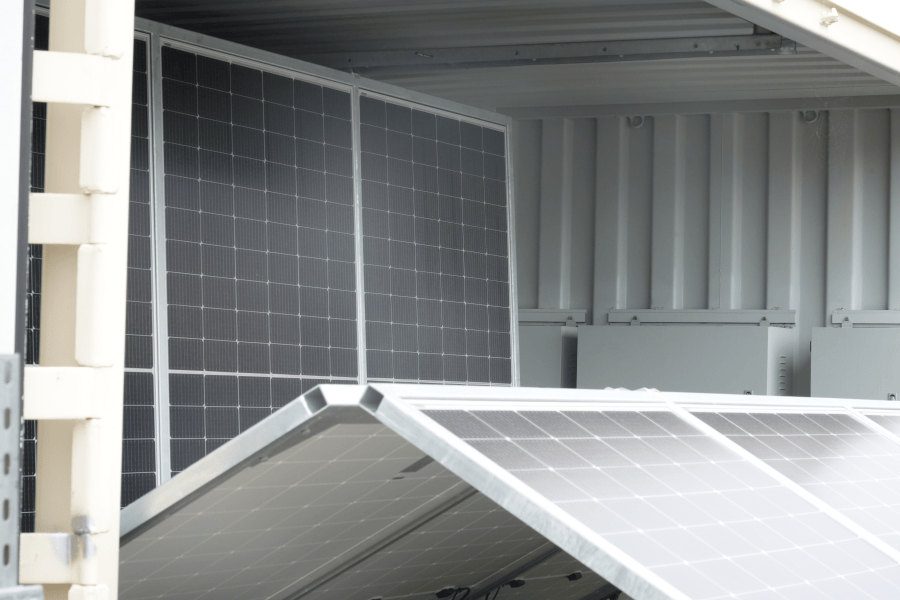
This containerized solution is built from the ground up for the harsh, dynamic environment of a construction site. It's not a repurposed EV battery pack. It's a ruggedized, all-weather unit with a brain - the Smart Battery Management System (BMS) - constantly monitoring every cell, managing temperature, and optimizing charge/discharge cycles in real-time. This is crucial for safety and longevity, something we're fanatical about. Every system we deploy is designed and tested to meet the rigorous safety benchmarks of UL 9540 and IEC 62619, standards that are non-negotiable in the North American and European markets. It gives you, the project manager, peace of mind that's simply not available with a jerry-rigged setup.
A Case in Point: How a German Contractor Got It Right
Let me give you a real example. Last year, we worked with a mid-sized contractor in North Rhine-Westphalia, Germany. They were building a residential complex in a city center with strict noise and emission ordinances (Feinstaubalarm). Diesel generators were a no-go after 6 PM and on weekends, but they needed power for security, lighting, and weekend work. Their challenge was pure operational continuity.
We deployed one of our 20-foot Smart BESS containers. The setup was plug-and-play: delivered on a flatbed, positioned, and online within a day. The smart BMS was configured to do two key things: 1) Peak Shaving: It drew power from the grid at night (low rates) to charge, then discharged during the expensive daytime peak, slashing their demand charges. 2) Zero-Emission Operation: It provided silent, fume-free power for overnight and weekend loads, keeping the project on schedule and the neighbors happy.
The result? They reported a 60% reduction in their monthly power costs for the site and completely avoided potential fines and work stoppages. The project manager told me the biggest win was the predictability - he could forecast his energy cost to the euro. That's the power of a controlled, smart asset versus a volatile, consumable fuel.
What Makes It "Smart"? Decoding the Tech for Non-Techies
You might hear terms like C-rate or Thermal Management thrown around. Let's break them down simply.
- Smart BMS (The Brain): This is the guardian. It doesn't just report the battery's state; it actively manages it. If one cell in a thousand starts to behave differently, it can isolate and balance it, preventing a small issue from becoming a big problem. Honestly, this is where cheap systems cut corners, and it's the most critical part for safety and system life.
- C-rate (The Power Dial): Think of this as how "hard" you can push the battery. A 1C rate means you can use its full capacity in one hour. For construction, you sometimes need a big burst of power to start heavy machinery (a high C-rate), not just a slow trickle. Our specs are engineered to deliver that high power safely, without degrading the cells.
- Thermal Management (The Climate Control): Batteries don't like extreme heat or cold. A passive system just hopes for the best. An active liquid-cooling or heating system (like in our containers) keeps the battery in its Goldilocks zone year-round, whether it's a Arizona summer or a Norwegian winter. This directly translates to more cycles and a lower Levelized Cost of Energy (LCOE) - fancy jargon for the total lifetime cost per kWh you get from the system.
This intelligent design is what allows us at Highjoule to offer not just a product, but a performance guarantee. We back it with local service teams who understand both the technology and your on-site realities, from commissioning to preventative maintenance checks.
Your Next Steps: Thinking Beyond the Generator
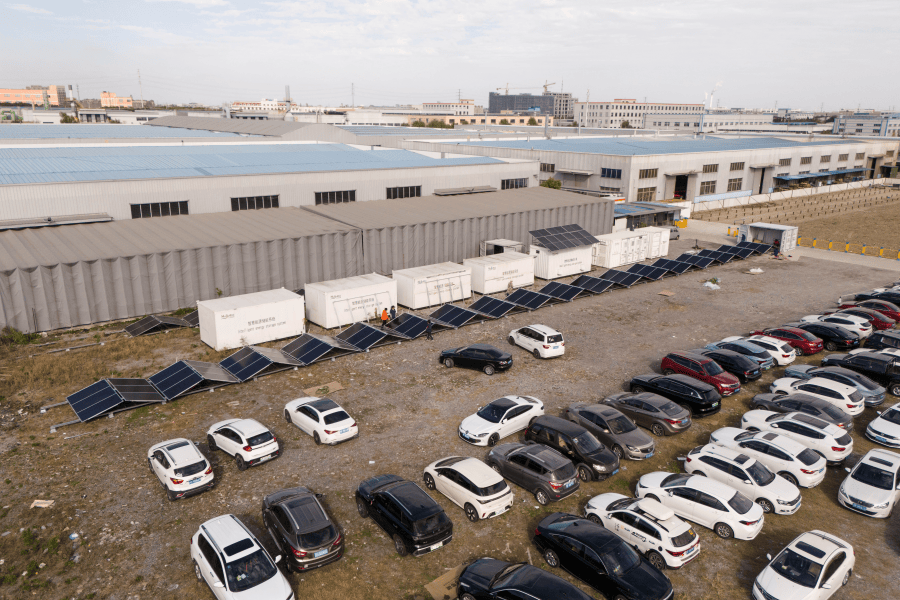
The shift to smart, containerized storage for construction power isn't a fringe idea anymore. It's a sound financial and operational decision. The question isn't really if the technology is ready - it is, and it's proven. The question is whether your next project will be burdened by the old model or empowered by the new one.
When you're evaluating your options, look beyond the upfront price tag. Ask about the Technical Specification of Smart BMS Monitored Energy Storage Container for Construction Site Power. Drill into the BMS intelligence, the safety certifications (demand the UL and IEC marks), and the thermal management design. Ask for the projected LCOE over your project's timeline. What would a 40-60% cut in your temporary power costs and zero emissions do for your bid competitiveness and community relations?
We're at a point where the coffee-shop talk among forward-thinking project leads is shifting from "How many generators do we need?" to "How do we size our storage asset?" What will your next site's power story be?
Tags: Construction Site Power Energy Storage Container UL Standard BESS Smart BMS
Author
James Zhang
20+ years agricultural energy storage engineer / Highjoule CTO