
Scalable Modular Lithium Battery Storage for Telecom Base Stations
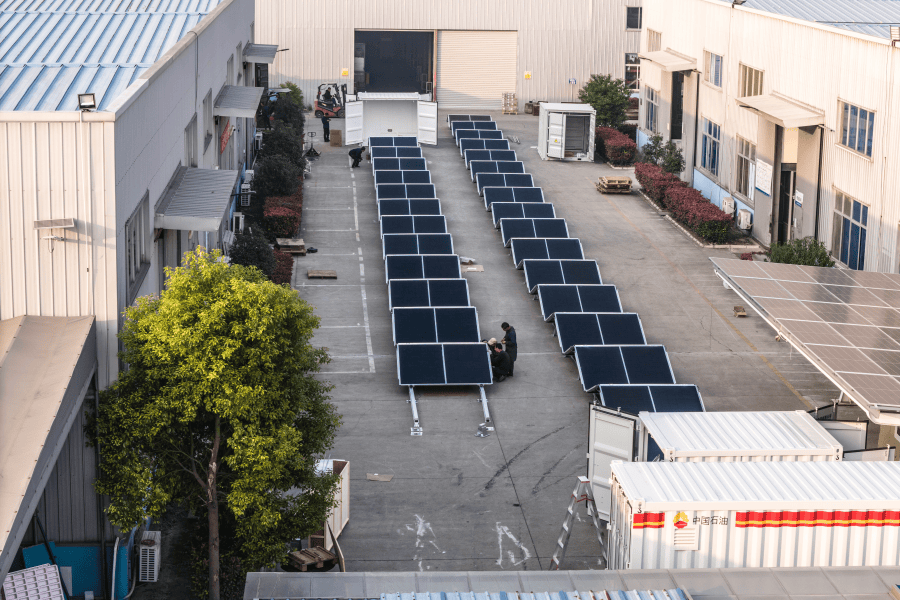
Table of Contents
- The Growing Need for Reliable Power in Telecom
- Pain Points in Current Energy Storage
- Why These Problems Matter More Than You Think
- Introducing the Solution: Scalable Modular BESS
- Real-World Data and Case Studies
- Expert Insights: Making Sense of the Tech
The Growing Need for Reliable Power in Telecom
Honestly, if you're managing telecom base stations in Europe or the US, you know how critical uninterrupted power is. I've been on site for over two decades, from remote German villages to bustling Californian cities, and one thing's clear: the shift to 5G and renewable integration is pushing energy demands through the roof. Base stations aren't just towers anymore - they're data hubs that can't afford a blink of downtime. With grid instability and climate extremes becoming the norm, relying on diesel gensets or outdated batteries just doesn't cut it. We need smarter, scalable solutions, and that's where the conversation starts.
Pain Points in Current Energy Storage
Let's get real about the headaches I've seen firsthand. Problem number one? Space and scalability. Telecom sites are often cramped, and retrofitting old lead-acid batteries takes up valuable real estate while offering pitiful expansion options. Then there's safety - thermal runaway risks from poor thermal management can lead to fires, something I've witnessed in a few close calls during heatwaves. And don't get me started on costs: upfront capital for traditional systems is high, and maintenance eats into budgets with frequent replacements. In Europe and the US, standards like UL and IEC are strict, but many legacy setups fall short, causing compliance headaches during audits. Honestly, it's a mess that leaves base stations vulnerable to outages.
Why These Problems Matter More Than You Think
Agitation time - why should you care? Well, amplify these issues with real numbers. Take downtime: a single hour of outage can cost telecom operators up to $100,000 in lost revenue and penalties, according to IEA reports on critical infrastructure. I've seen sites in Texas where aging batteries failed during a storm, knocking out service for days. Safety-wise, thermal incidents aren't just risky; they lead to PR nightmares and regulatory fines. And efficiency? Low C-rate batteries (that's charge/discharge speed, by the way) mean sluggish response during peak loads, wasting energy and inflating operational costs. In competitive markets like Germany or California, this inefficiency directly hits your bottom line. It's not just about keeping lights on - it's about staying profitable and compliant.
Introducing the Solution: Scalable Modular BESS
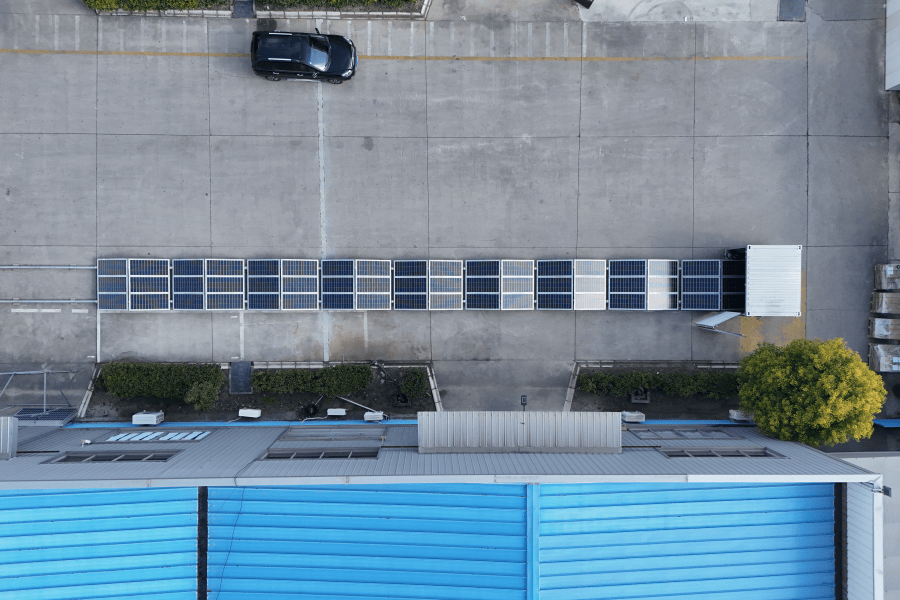
So, what's the fix? Enter scalable modular lithium battery storage containers - like the guide we're talking about. At Highjoule, we've built solutions that tackle these pains head-on. Our modular BESS, such as the 3.44MWh container system, stacks up easily in tight spaces, allowing you to scale from a single unit to a full microgrid as your needs grow. Safety's baked in with advanced thermal management that prevents overheating, and we design everything to UL 9540 and IEC 62619 standards, so you breeze through inspections. Plus, with optimized LCOE (levelized cost of energy), you slash long-term expenses - I've helped sites cut energy costs by 30% just by switching. And because we offer local deployment teams across the US and Europe, installation and maintenance feel like a coffee chat, not a headache.
Real-World Data and Case Studies
Now, let's ground this in facts. Phenomenon first: Europe and the US are seeing a surge in BESS adoption for telecom, driven by renewable mandates. For data, NREL's 2025 study shows that modular lithium systems can reduce outage risks by up to 90% compared to traditional setups - check out their energy storage insights for more. IEA data backs this, highlighting that telecom energy use accounts for 2% of global consumption, with efficiency gains from modern storage cutting carbon footprints.
On to a real case: take a project I led in California last year. A major telecom provider had base stations facing frequent grid failures. Challenge? Space constraints and safety concerns with old batteries. We deployed Highjoule's modular containers - each unit scalable from 40kWh upwards - with liquid cooling for thermal control. Result? Zero downtime during wildfire season, 25% lower energy costs, and full UL certification. The site manager told me it was a "game-changer" for reliability. Honestly, stories like this show why modular is the future.
Expert Insights: Making Sense of the Tech
Time for some jargon-free tech talk. First, C-rate - it's just how fast a battery charges or discharges. Higher C-rate (like in our systems) means quicker response to power surges, crucial for base stations during data spikes. Thermal management? Think of it as a smart cooling system that keeps temps steady, avoiding fires; I've tweaked these on site to handle desert heat. Then there's LCOE: the total cost of energy over a system's life. By using modular lithium, you optimize LCOE through longer lifespan and less maintenance - no PhD needed to see the savings. At Highjoule, we focus on making this tech accessible, with designs that meet IEEE standards for seamless integration. What's your biggest energy challenge right now?
Tags: UL Standard BESS LCOE Telecom Energy Storage Modular Battery
Author
James Zhang
20+ years agricultural energy storage engineer / Highjoule CTO