
Telecom Base Station Power Upgrades: HV DC Energy Storage Benefits
Contents
- The Silent Power Crisis Gripping Telecom Sites
- Why Ignoring Grid Instability Costs Operators Millions
- HV DC Containers: Engineering Resilience for Critical Sites
- Real-World Wins: From Texas Storms to German Efficiency
The Silent Power Crisis Gripping Telecom Sites
Honestly, after 20+ years knee-deep in BESS deployments across continents, I see telecom operators facing the same headaches today: aging grid infrastructure colliding with rising power demands. That cell tower tucked away off-grid? Or the urban site squeezed into a heritage building's basement? Their backup power often relies on diesel gensets C noisy, maintenance-heavy, and frankly, environmental liabilities as carbon regulations tighten. And when extreme weather hits, like that ice storm paralyzing Memphis last winter? Limited runtime becomes a network disaster. I've been onsite swapping out batteries in freezing rain; it's not where operators want their engineers spending time. Telecom sites need resilient, set-and-forget power, especially as they become 5G/edge computing hubs.
Why Ignoring Grid Instability Costs Operators Millions
Let's talk numbers: NREL reports power outages cost US telecoms over $1.2 billion annually in revenue loss and emergency fixes [4]. In Europe, IEA data highlights voltage fluctuations damage sensitive equipment, slashing hardware lifespan by 30% in some regions. Here's the kicker C traditional AC-coupled battery systems often add complexity (inverters, transformers) eating up precious space and increasing points of failure. I've seen sites where battery rooms resemble spaghetti junctions of wiring. Worse, inefficient conversion wastes energy. Think about C-rate C that's essentially how fast a battery charges/discharges safely. Oversized, slow-response systems can't handle the rapid load swings when a site switches to backup. Thermal runaway? That's every engineer's nightmare when batteries overheat in confined spaces. It's not just safety; it hits the bottom line through higher LCOE (Levelized Cost of Energy) C the total lifetime cost per kWh supplied. Inefficient, unreliable backup = soaring OpEx.
HV DC Containers: Engineering Resilience for Critical Sites
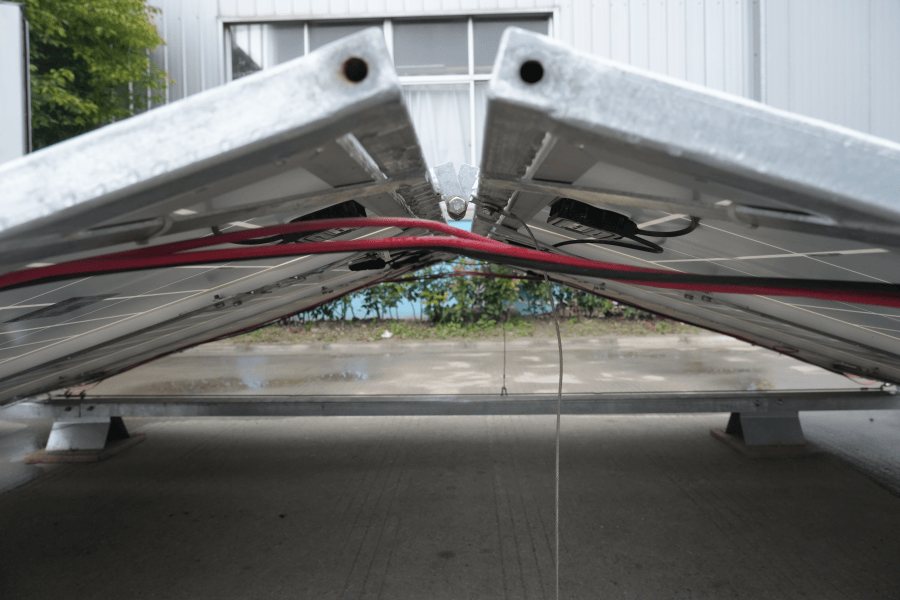
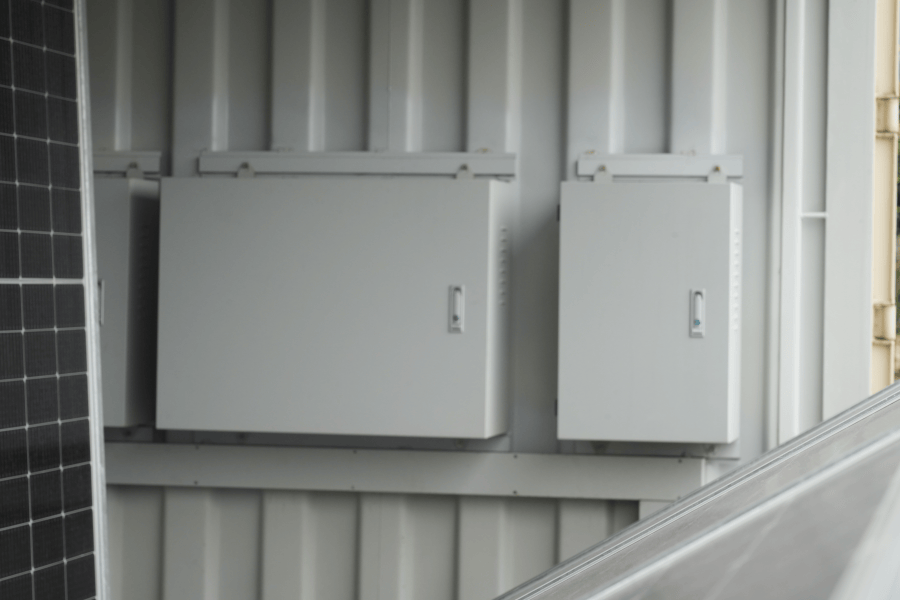
So, what's changed? High-voltage DC (HVDC) energy storage containers built specifically for telecom are flipping the script. Picture a standardized, self-contained unit C think rugged shipping container C pre-integrated with LiFePO4 (LFP) batteries running at 800V+ DC. Why DC? Telecom gear runs on DC internally! Eliminating the AC/DC conversion step cuts energy losses by up to 8% compared to AC systems. That's pure efficiency gain. The high voltage means thinner cables, simpler wiring, and crucially, smaller footprint C a lifesaver for space-starved urban sites. Safety? These units are designed ground-up for UL 9540A and IEC 62619 compliance, featuring multi-layer thermal management (active liquid cooling + advanced BMS). Honestly, the thermal stability I've witnessed in modern LFP containers versus older chemistries is night-and-day. Our own Highjoule HV DC systems, for instance, use cell-level monitoring and compartmentalized fire suppression. The C-rate optimization allows rapid, high-power discharge when the grid dips C keeping sites online seamlessly. It translates directly to lower LCOE: longer asset life, less wasted energy, reduced maintenance visits.
Real-World Wins: From Texas Storms to German Efficiency
Don't just take my word. Look at a major operator in Texas post-Hurricane Harvey. Their coastal sites kept failing despite diesel backups C limited fuel, flooding risks. We deployed HV DC containers with 4-hour critical load coverage. The integrated design allowed swift installation on concrete pads, avoiding flood zones. During the 2025 winter freeze, these sites stayed up when others went dark. Thermal management handled the -15C plunge flawlessly. Over in Germany's North Rhine-Westphalia, a towerco faced grid connection delays and strict noise ordinances banning diesel. A 500kWh HV DC container became the primary power source, feeding the site via DC coupling. It cut their grid dependency by 70% and eliminated diesel entirely. The operator's saving ?45k annually just on fuel and maintenance C and meeting those tough German environmental regs. The key? Partnering with manufacturers offering local commissioning and 24/7 remote monitoring. You need boots-on-ground support, not just a box shipped overseas.
Ready to see if HV DC storage can solve your toughest site power challenge? What's the one reliability issue keeping you up at night?
Tags: UL Standard BESS LCOE Europe US Market Telecom Energy Storage DC Microgrid
Author
James Zhang
20+ years agricultural energy storage engineer / Highjoule CTO