
Scalable Modular PV Storage for Telecom Base Stations: The Ultimate Guide
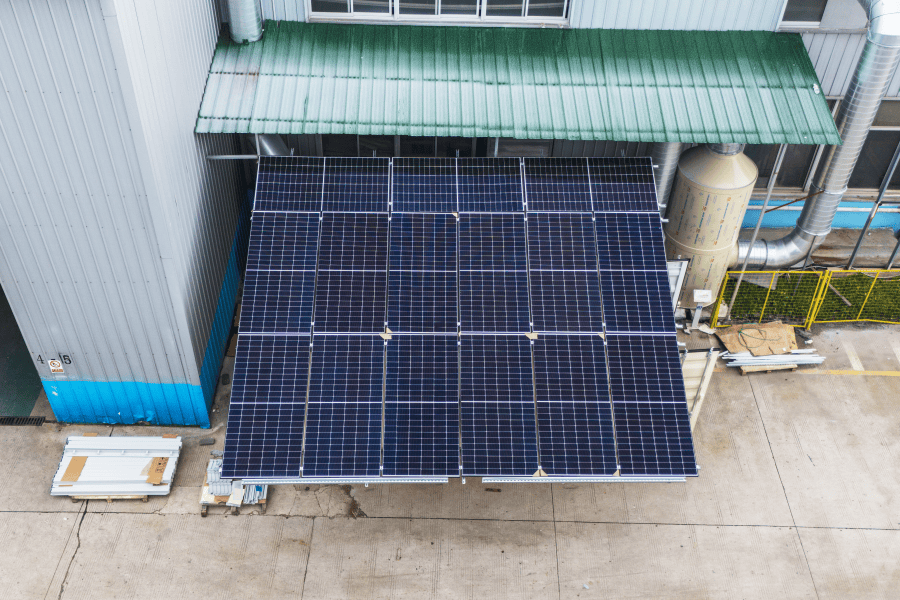
Table of Contents
- The Silent Cost of Keeping the Signal Alive
- Why Old-School Solutions Fall Short in the Modern Grid
- The Modular Mindset: More Than Just Adding Boxes
- A View from the Field: The German Case Study
- Key Tech Made Simple: C-rate, Thermal Runaway, and LCOE
- Your Roadmap to Scalable Deployment
The Silent Cost of Keeping the Signal Alive
Let's be honest. When we talk about telecom networks, we picture towers, antennas, and data streams. We rarely think about the massive, humming diesel generators sitting at the base, or the staggering electricity bills that come with keeping a base station online 24/7. I've been on site for dozens of these deployments across Europe and the US, and the pattern is always the same: power is the single largest, most volatile operational expense after spectrum. With the IRENA reporting that the power sector needs to triple its renewable capacity by 2030, the pressure is on. For a network operator, an hour of downtime can mean six figures in lost revenue and reputation. The old way - oversized, one-size-fits-all battery banks paired with diesel - isn't just expensive; it's becoming a liability.
Why Old-School Solutions Fall Short in the Modern Grid
The core problem with traditional backup power for base stations is rigidity. You install a monolithic battery system sized for the worst-case scenario - peak load, longest anticipated outage. That system sits there, 90% of the time underutilized, degrading, and tying up capital. Then, when you need to expand capacity or upgrade a site, it's a major CapEx project. You're looking at full system replacement. Honestly, I've seen this firsthand: a site in California needed a 30% capacity boost to handle new 5G equipment, and the quote involved a complete rip-and-replace of their 10-year-old lead-acid bank. The downtime was projected at 48 hours. That's unacceptable in today's market.
Then there's the safety and standards headache. In the US, you're navigating UL 9540 for energy storage systems and UL 1973 for batteries. In Europe, it's IEC 62619 and the whole machinery directive. A fixed, custom system often requires a fresh, costly certification cycle for every minor modification. The complexity stifles innovation and slows down your rollout.
The Modular Mindset: More Than Just Adding Boxes
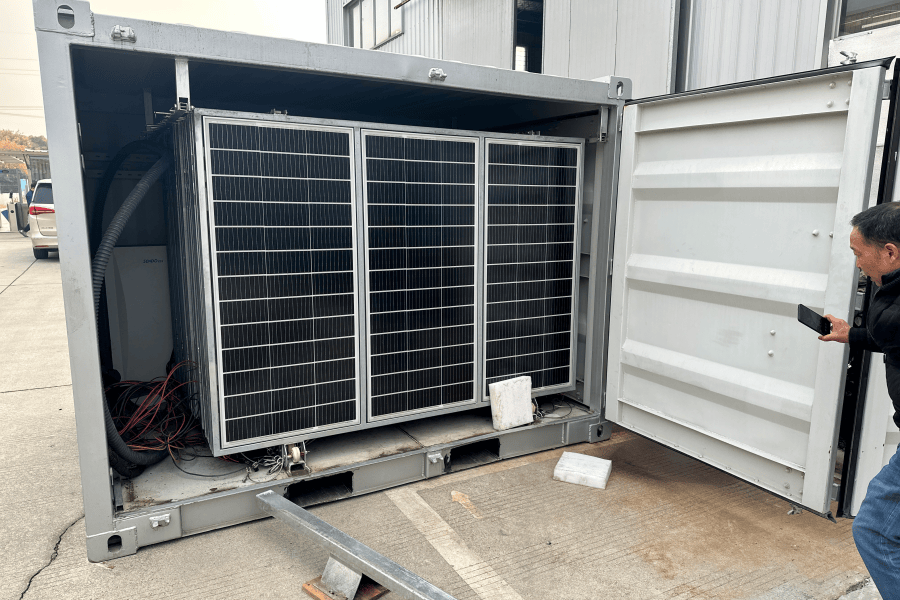
This is where the philosophy behind a truly scalable, modular photovoltaic (PV) storage system changes everything. We're not talking about just bolting on extra battery racks. We're talking about a system architected from the ground up for growth and change. Think of it like building with LEGO blocks. Each block - a pre-certified battery module, a power conversion unit, a controller - is a self-contained, UL/IEC-compliant unit. They plug and play together.
At Highjoule, when we design these systems, we start with the end in mind, but we build for the present. You deploy what you need for today's load. Next year, when you add that new 5G radio, you simply slot in additional, identical battery and PV modules. The system controller recognizes them, integrates them, and scales the management and safety protocols automatically. No site re-wiring, no full system re-certification. The Levelized Cost of Energy (LCOE) - which is just a fancy term for your total cost of ownership per kWh over the system's life - plummets. You're using capital efficiently and future-proofing your asset.

A View from the Field: The German Case Study
Let me give you a real example from North Rhine-Westphalia. A major telecom operator had a cluster of 15 rural base stations. Their challenge was threefold: rising grid tariffs, a mandate to reduce diesel use, and the need to prepare for higher power demands. A monolithic BESS for each site was economically unfeasible.
Our solution was a standardized, modular PV-plus-storage design. We started with four of the most critical sites. Each got a base configuration: a single cabinet with 50 kWh of lithium-ion storage, a hybrid inverter, and a 20 kW rooftop PV array. The beauty was in the modularity. For two sites with poorer sun exposure, we added a second, identical battery module six months later, boosting storage to 100 kWh without touching the core electronics. For another site that became a regional hub, we added both a battery module and an extra PV string.
The entire cluster is now monitored as a virtual power plant. During peak grid price hours, they discharge stored solar energy to offset consumption. The diesel generators? They've become relics, used maybe once a year for mandatory testing. The operator's roadmap is clear: roll out the same modular design to the remaining 11 sites, mixing and matching components based on each site's specific profile. This is scalability in action.
Key Tech Made Simple: C-rate, Thermal Runaway, and LCOE
When you evaluate modular systems, you'll hear engineers like me throw around terms. Let me demystify them:
- C-rate: Simply put, it's how fast you can charge or discharge the battery. A 1C rate means you can use the battery's full capacity in one hour. A 0.5C rate takes two hours. For telecom backup, you often need high C-rates to handle sudden load spikes. A good modular system maintains a high, stable C-rate even as you add modules, which is trickier than it sounds.
- Thermal Management: This is the unsung hero of safety and longevity. Lithium-ion batteries don't like extreme heat or cold. A passive cooling system might be cheaper, but on a hot Texas summer day, I've seen battery life degrade by 30%. Our approach uses an active, liquid-cooled system within each module. It keeps every cell at its ideal temperature, which prevents thermal runaway (a chain reaction failure) and easily doubles the system's operational life. This is non-negotiable for UL 9540 compliance in demanding environments.
- LCOE (Levelized Cost of Energy): This is your ultimate financial metric. Modularity crushes LCOE. You defer capital expenditure, you maximize the use of free solar energy, you reduce maintenance through standardized parts, and you extend system life with superior thermal management. You're not just buying batteries; you're buying predictable, lower energy costs for the next 15 years.
Your Roadmap to Scalable Deployment
So, where do you start? Based on two decades of getting my boots dirty, here's a pragmatic approach:
- Audit with Granularity: Don't just look at peak load. Map the daily and seasonal load profile of each site. Pair it with local solar irradiance data (NREL's PVWatts tool is fantastic for this). This tells you your true energy deficit.
- Pilot with a Cluster: Choose 3-5 sites with different profiles. Deploy a base modular configuration. The goal is to test the technology, the logistics, and the financial model in your specific operational environment.
- Demand True Compliance: Every module must carry its own UL 9540A (for fire safety) or IEC 62619 certification. This is your ticket to fast permitting and insurance approval. At Highjoule, we build this into the core design - it's not an afterthought.
- Plan for the Ecosystem: The best hardware is useless without smart software. Ensure your system has an open-API platform for monitoring, diagnostics, and even participating in grid services like frequency regulation, which can create a new revenue stream.
The future of telecom power isn't about bigger batteries. It's about smarter, more adaptable systems. The question isn't really if you should move to a scalable modular approach, but how quickly you can start the journey. What's the one site in your network where testing this approach would deliver the clearest, fastest return?
Tags: UL Standard BESS Modular Energy Storage Telecom Power The Ultimate Guide to Scalable Modular Photovoltaic Storage System for Telecom Base Stations
Author
James Zhang
20+ years agricultural energy storage engineer / Highjoule CTO