
Smart BMS for Hybrid Solar-Diesel Irrigation: Cut Costs & Boost Reliability
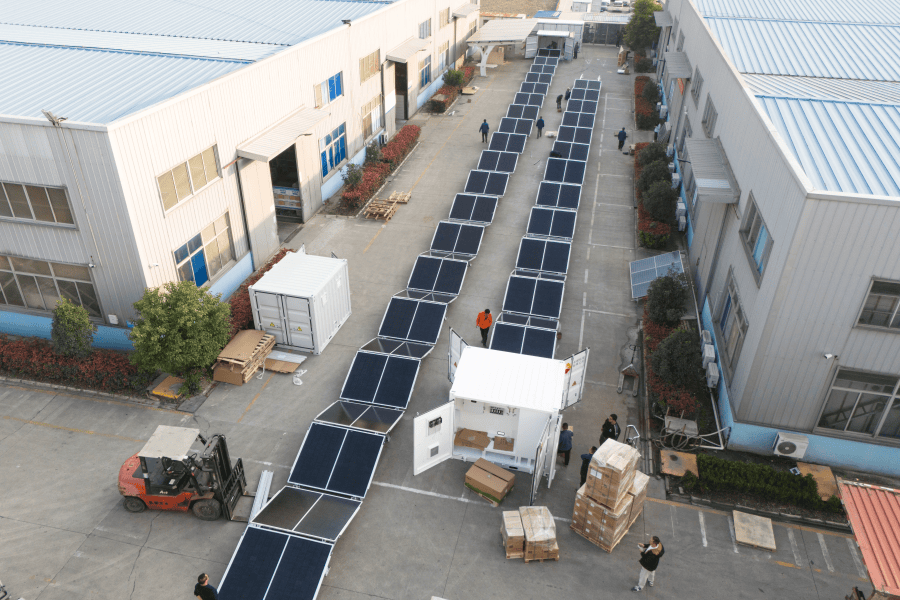
The Ultimate Guide to Smart BMS Monitored Hybrid Solar-Diesel System for Agricultural Irrigation
Hey there. If you're reading this, chances are you're managing a farm or an agricultural operation where the irrigation power bill looks more like a mortgage payment, and the reliability of the grid feels like a roll of the dice. I've been on-site from California's Central Valley to the wheat fields of Germany, and honestly, the struggle is universal. Let's talk about a real solution that's moving from "nice-to-have" to absolute necessity: the smart BMS monitored hybrid solar-diesel system.
Quick Navigation
- The Real (and Rising) Cost of Irrigation Power
- Why Diesel-Alone is Breaking the Bank The Hybrid Hero: More Than Just Panels and a Generator
- The Brain: Why a Smart BMS Isn't Optional
- A Case in Point: California Almonds
- Making It Work For You: The Key Questions
The Real (and Rising) Cost of Irrigation Power
We all see the fuel prices at the pump. But for a farm running diesel gensets for 8-12 hours a day during peak season, it's existential. The International Energy Agency (IEA) has highlighted the volatility of diesel prices as a major risk for off-grid and remote operations. It's not just fuel, though. I've seen maintenance costs spiral on generators that are run hard without respite, and the carbon footprint is becoming a tangible business concern, not just an environmental one.
Why Diesel-Alone is Breaking the Bank
Let's agitate that pain point a bit. A diesel generator is fantastic at one thing: providing power on demand. But it's terribly inefficient at partial load. Running a 200kW gen set at a 50kW load? You're burning fuel and wearing out the engine for no good reason. This directly hits your Levelized Cost of Energy (LCOE) C the true total cost of ownership for your power. Then there's the noise, the emissions, and the sheer logistical headache of fuel delivery. I've been on sites where a delayed fuel truck meant a delayed irrigation cycle, stressing an entire crop.
Pairing solar with diesel seems like an obvious fix, and it is. But here's the kicker I've seen firsthand: without intelligent management, you're just putting two energy sources side-by-side. They'll fight for dominance, the diesel will often end up running inefficiently anyway, and you won't maximize the solar investment. The battery is the crucial buffer, and the Smart Battery Management System (BMS) is the conductor that makes the orchestra play in harmony.

The Hybrid Hero: More Than Just Panels and a Generator
So, what's the solution? A properly integrated hybrid system where solar PV, a battery energy storage system (BESS), and a diesel generator are not just connected, but conversing. The solar reduces fuel burn during the day. The battery does two critical jobs: it smooths out the solar power (so a passing cloud doesn't cause the diesel to kick on for 2 minutes) and it allows the generator, when it must run, to operate at its most efficient, high-load set point. It can then charge the battery bank quickly and shut down for long periods.
This is where your LCOE plummets. You're optimizing every liter of diesel and every kilowatt-hour from the sun.
The Brain: Why a Smart BMS Isn't Optional
This is the core of the guide. A basic BMS might protect cells from overcharge. A Smart BMS, like the ones we design into Highjoule systems, is the central intelligence. Here's what it does in plain English:
- Advanced Thermal Management: It doesn't just turn on a fan if it gets hot. It predicts temperature rise based on charge/discharge rate (C-rate) and ambient conditions, proactively managing the climate inside the battery container. This is huge for safety and longevity, especially in hot farming regions.
- State-of-Health (SOH) Monitoring: It tells you, in percentage terms, how much life your battery has left - like a battery doctor. This is critical for financial planning and avoiding surprise failures.
- Communicates with Everything: It talks to the solar inverter, the generator controller, and the energy management system. It makes millisecond-by-millisecond decisions: "Take more from solar, battery is at 70%." "Start the generator now, a 4-hour irrigation cycle is requested and battery is at 20%."
- Safety First, Always: A UL 9540 and IEC 62619 certified BMS isn't just a checkbox. It means the system has been tested to rigorous safety standards for grid interaction and internal failure modes. This is non-negotiable for insurance and peace of mind.
Thinking About C-rate and Battery Life
You might hear "C-rate" from engineers. Think of it as the speed of charging or discharging. A 1C rate means using the battery's full capacity in one hour. For irrigation pumps with high surge currents, you need a battery that can handle a high discharge C-rate without degrading. A smart BMS manages this, preventing the system from stressing the battery just because the pump kicks on, thereby extending its life by years.
A Case in Point: California Almonds
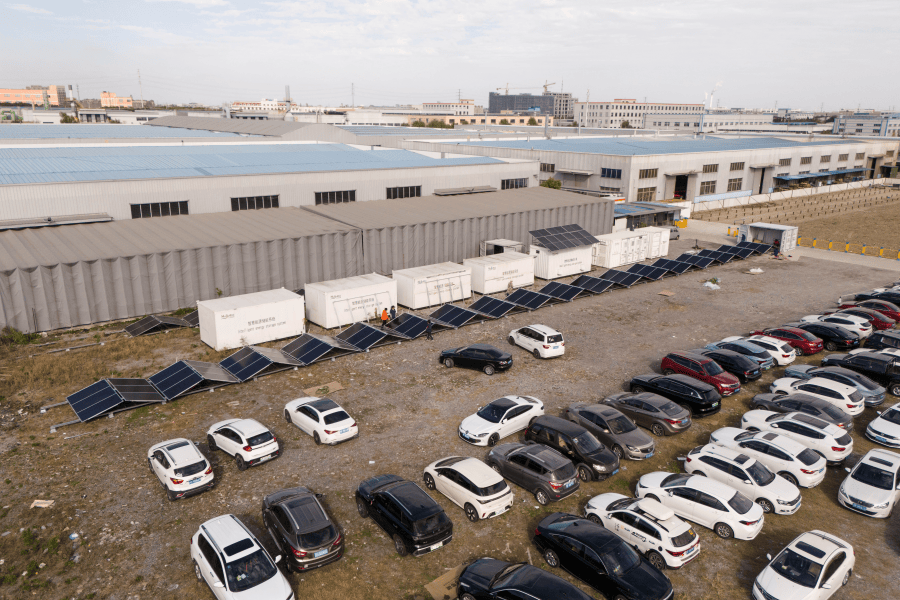
Let me give you a real example. We worked with a 400-acre almond farm in California's San Joaquin Valley. Their challenge: skyrocketing grid demand charges, unreliable power during heatwaves, and a diesel backup that was costing a fortune to test-run monthly.
The Solution: We deployed a 500kW/1MWh UL 9540-certified BESS, integrated with their existing 300kW solar array and 750kW diesel generator. The smart BMS was the core.
The Outcome: The system now automatically "peak shaves" C using the battery to cap their grid draw during expensive peak hours. The diesel generator hasn't run for a routine test in 18 months; the BMS exercises it automatically under perfect load conditions only when needed. Their fuel costs for irrigation are down over 60%, and they have a 24/7 power guarantee. The project paid for itself in under 4 years.
Making It Work For You: The Key Questions
So, how do you start? Ditch the generic sales pitch. Ask your potential provider these questions, the ones I'd ask if I were in your boots:
- Is the core BMS and system certified to UL 9540 or equivalent for my region?
- How does your smart BMS specifically manage the handoff between solar, battery, and diesel to maximize generator efficiency?
- Can you show me a projected LCOE analysis for my specific load profile and fuel costs?
- What's the remote monitoring and support like? If I have an alarm at 2 AM during irrigation, who responds?
At Highjoule, our approach is built on this on-the-ground reality. We don't just sell containers; we provide a localized energy resilience plan with a brain in it. The technology is proven. The question is, when will your operation start seeing the savings and sleeping better at night, knowing the pumps will run?
What's the one power reliability issue keeping you up this season?
Tags: UL Standard BESS LCOE Agricultural Irrigation Smart BMS Hybrid Power System
Author
James Zhang
20+ years agricultural energy storage engineer / Highjoule CTO